
Water Damage Restoration in West Michigan
Water Damage Restoration in West Michigan: What to Do in the First 24 Hours
Zeeland, MI
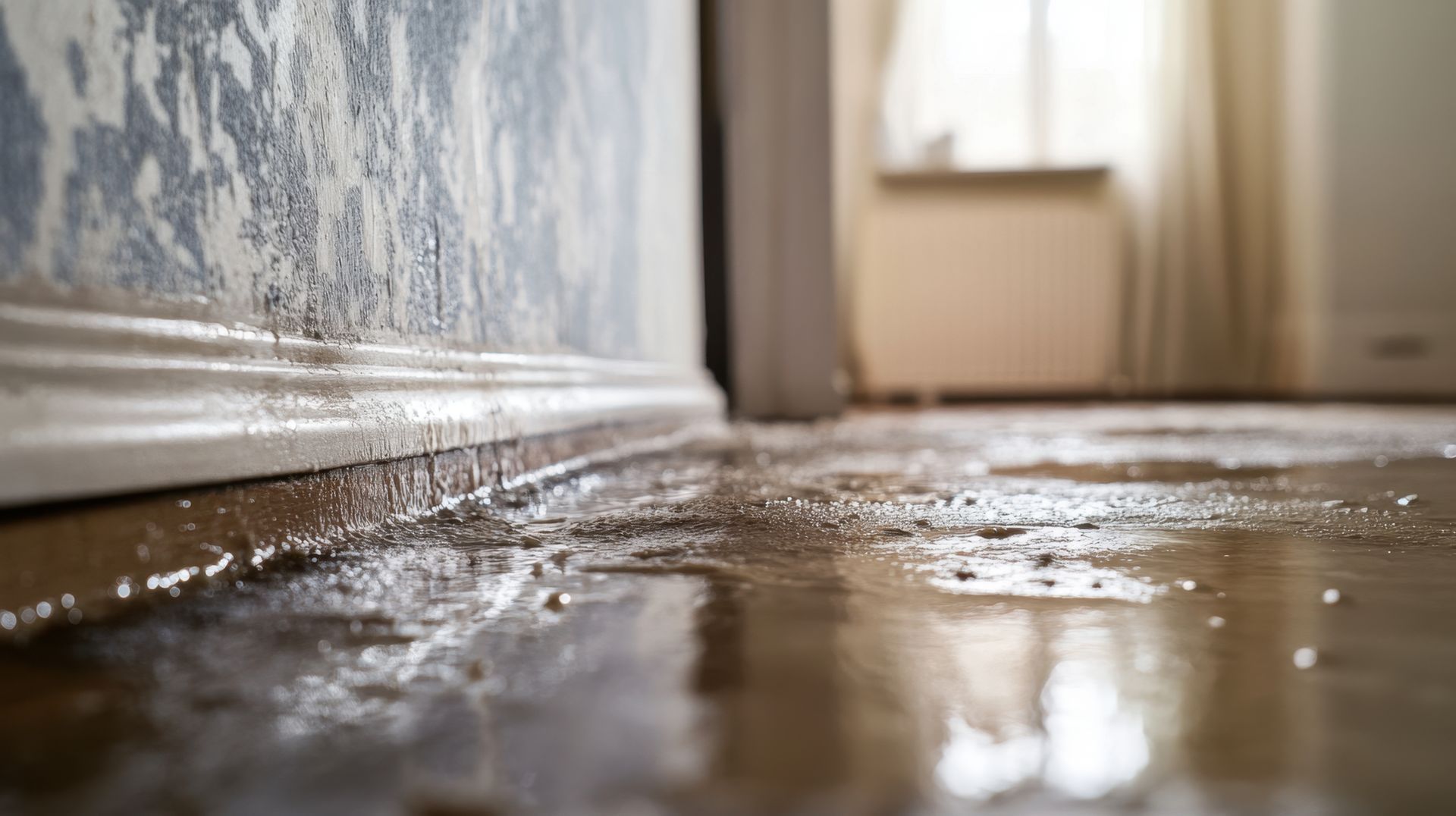
Water damage can start with a burst pipe, a washer line leak, a wet basement after heavy rain, or a simple overflow—and then spread faster than you expect. In many homes, water moves under flooring, behind baseboards, and into drywall before you see the full scope. That’s why the first day matters so much: quick action + correct drying can reduce repairs and help prevent mold.
At Restoration 1 of Lakeshore, the focus is rapid response and full-service water damage restoration for Zeeland and surrounding West Michigan communities, with emergency service available 24/7.
Step 1: Stop the water damage at the source (safely)
If the water is coming from plumbing or an appliance, shut off the nearest valve (or the main shutoff if needed). If water damage is near outlets, lighting, or appliances, avoid stepping into standing water until power is shut off to the affected area.
Quick tip: If the source is a toilet overflow, use the shutoff valve behind the toilet tank to stop the flow.
Step 2: Limit spread and protect what you can
Water damage doesn’t stay put. If it’s safe, take these steps right away:
- Move furniture, rugs, and valuables to a dry area
- Place towels at doorways to slow spreading into adjacent rooms
- Put buckets under active drips
- Lift curtains and move items off lower shelves
These actions won’t replace professional drying, but they can reduce how far the water damage travels.
Step 3: Document the water damage before heavy cleanup
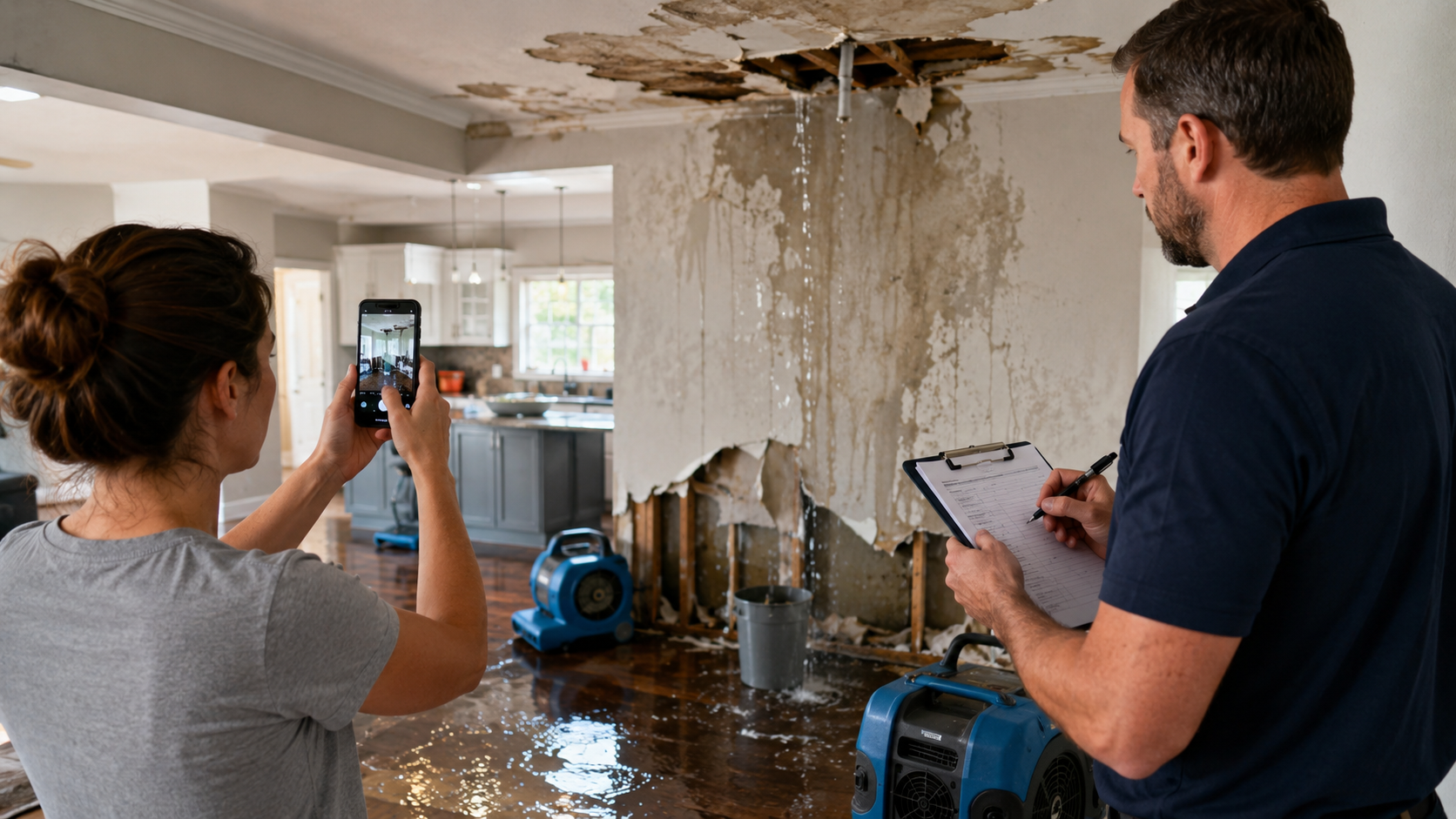
If insurance may be involved, take photos and a short video walkthrough before materials are removed:
- Wide shots of each affected room
- Close-ups of staining, swelling, buckling, or bubbling paint
- The suspected source (pipe, appliance line, roof area) if visible
- Damaged contents (furniture, electronics, clothing, etc.)
Step 4: Don’t confuse “looks dry” with “is dry”
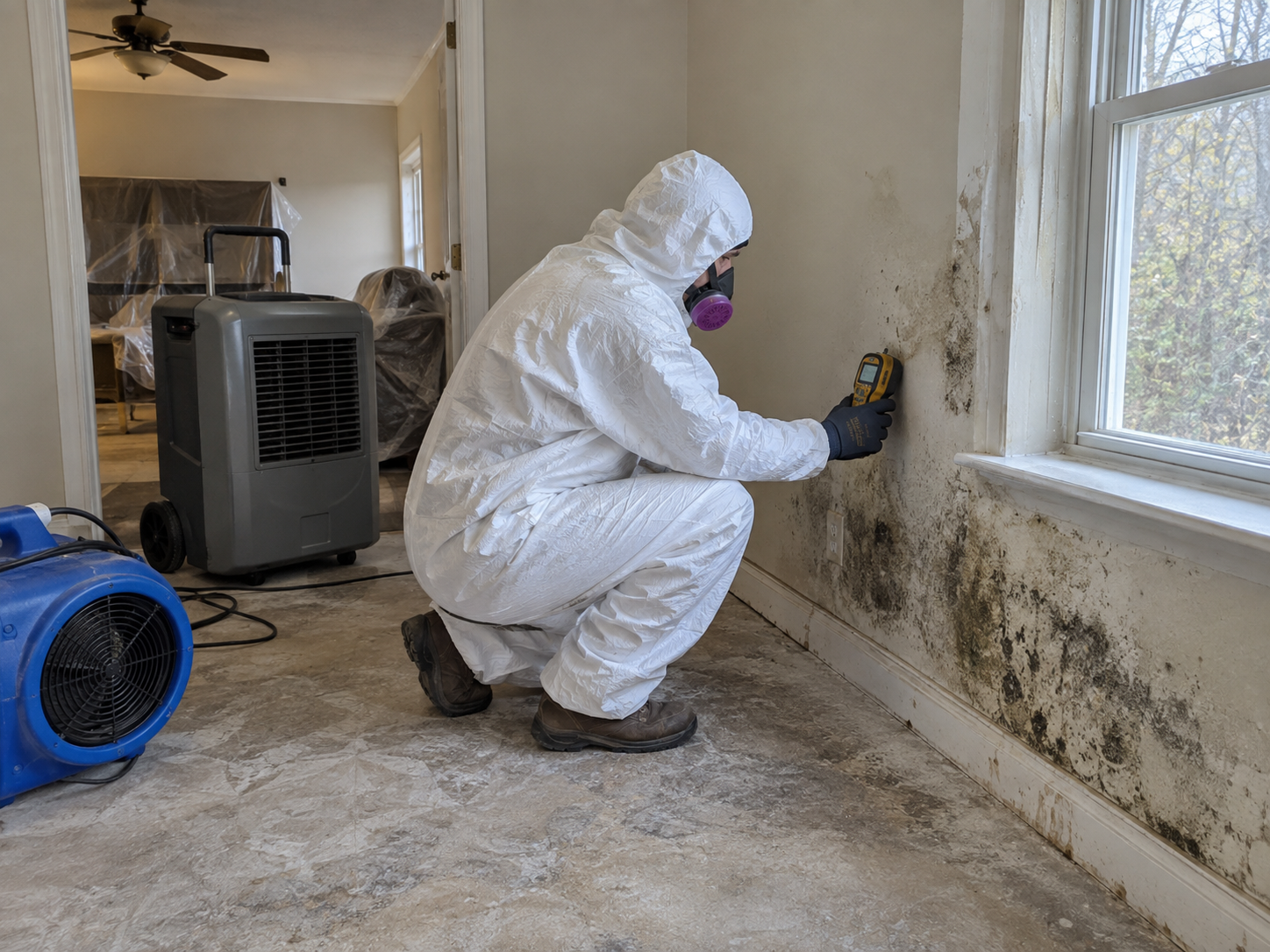
One of the most common mistakes after water damage is assuming the problem is solved once the surface looks better. Moisture can remain:
- Under carpet padding
- Beneath floating floors
- Behind baseboards and drywall
- In insulation, framing, and subfloors
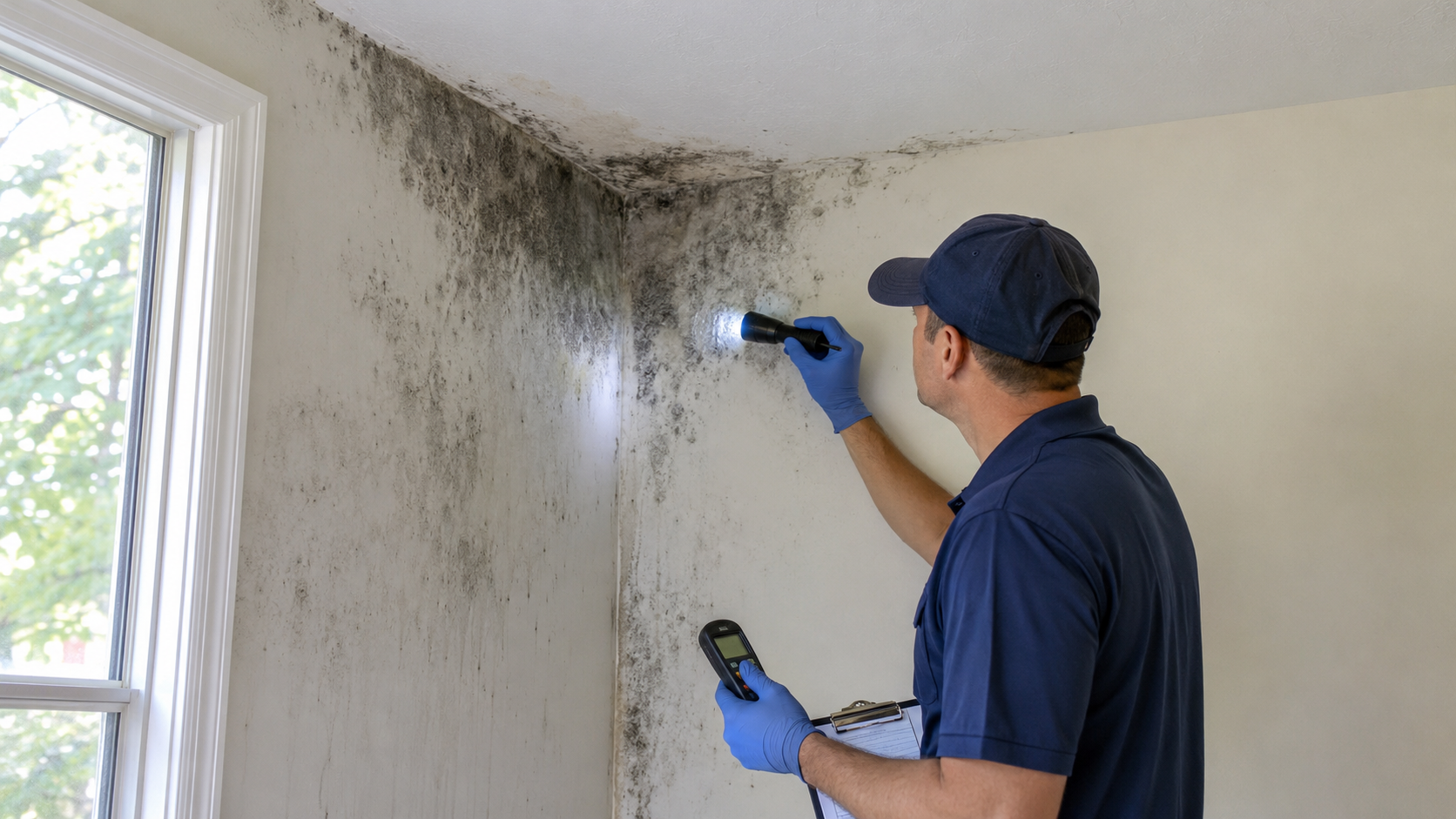
That hidden moisture is exactly what can trigger musty odors and mold conditions. Restoration 1 of Lakeshore emphasizes immediate extraction and professional drying to help stop mold before it starts.
Step 5: What professional water damage restoration should include
A real water damage restoration plan is measurement-driven (not guesswork). Look for a process that includes:
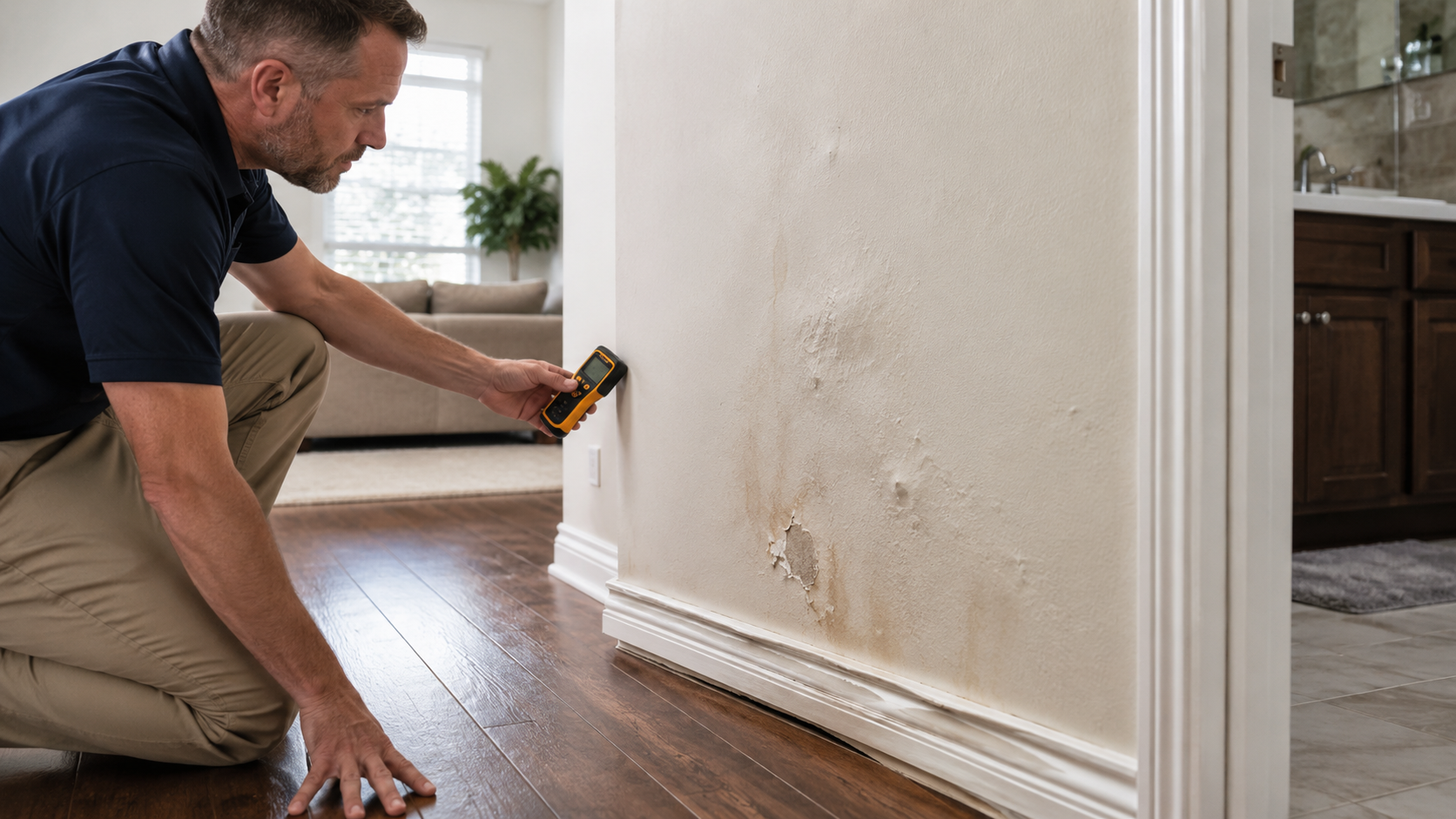
- Inspection + moisture mapping to locate hidden wet areas
- Water extraction (when there’s standing water)
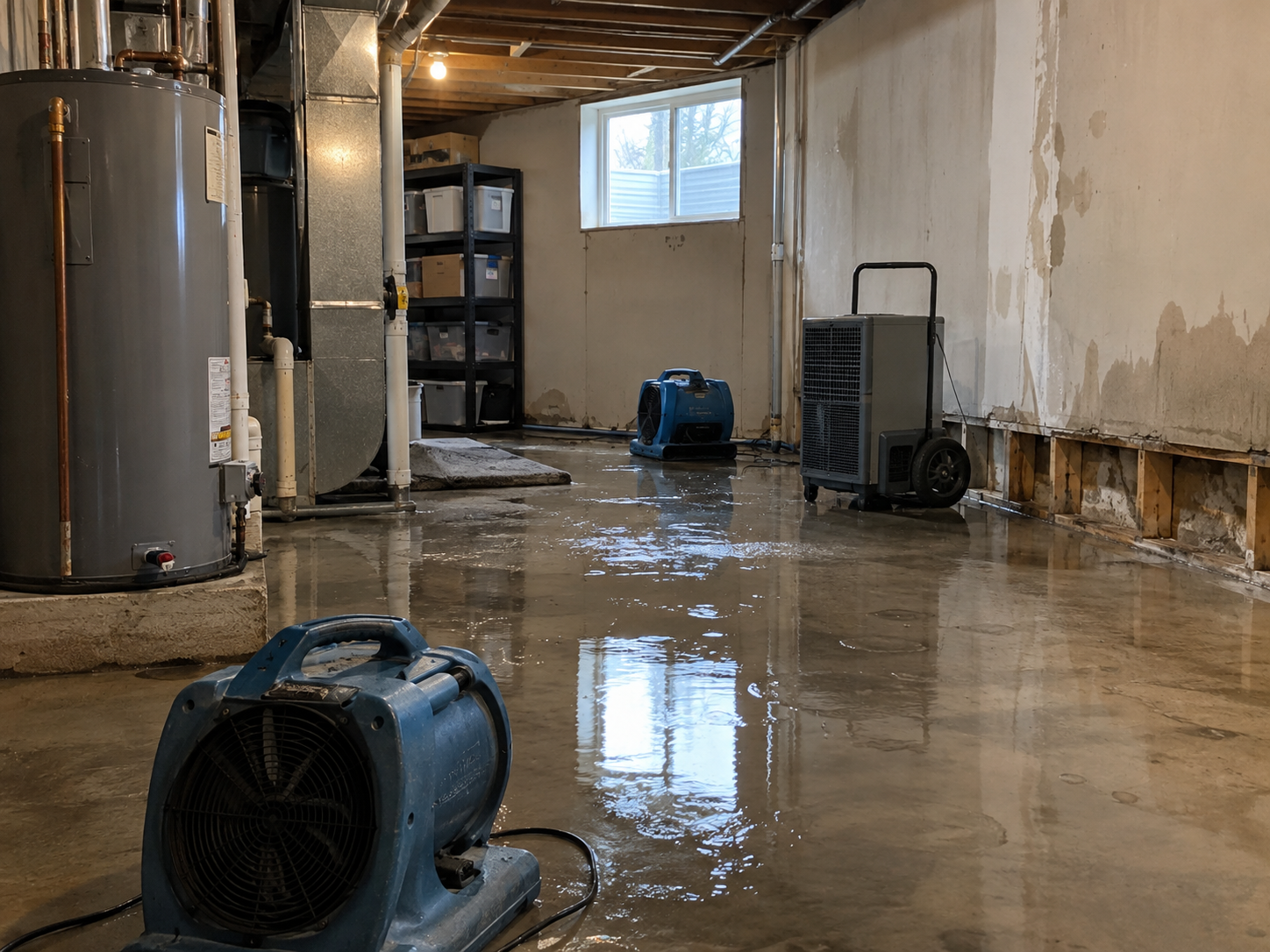
- Drying + dehumidification with commercial equipment
- Monitoring and adjustments until target moisture levels are reached
- Removal of unsalvageable materials only when necessary
- Cleaning/sanitizing as needed, depending on the water source
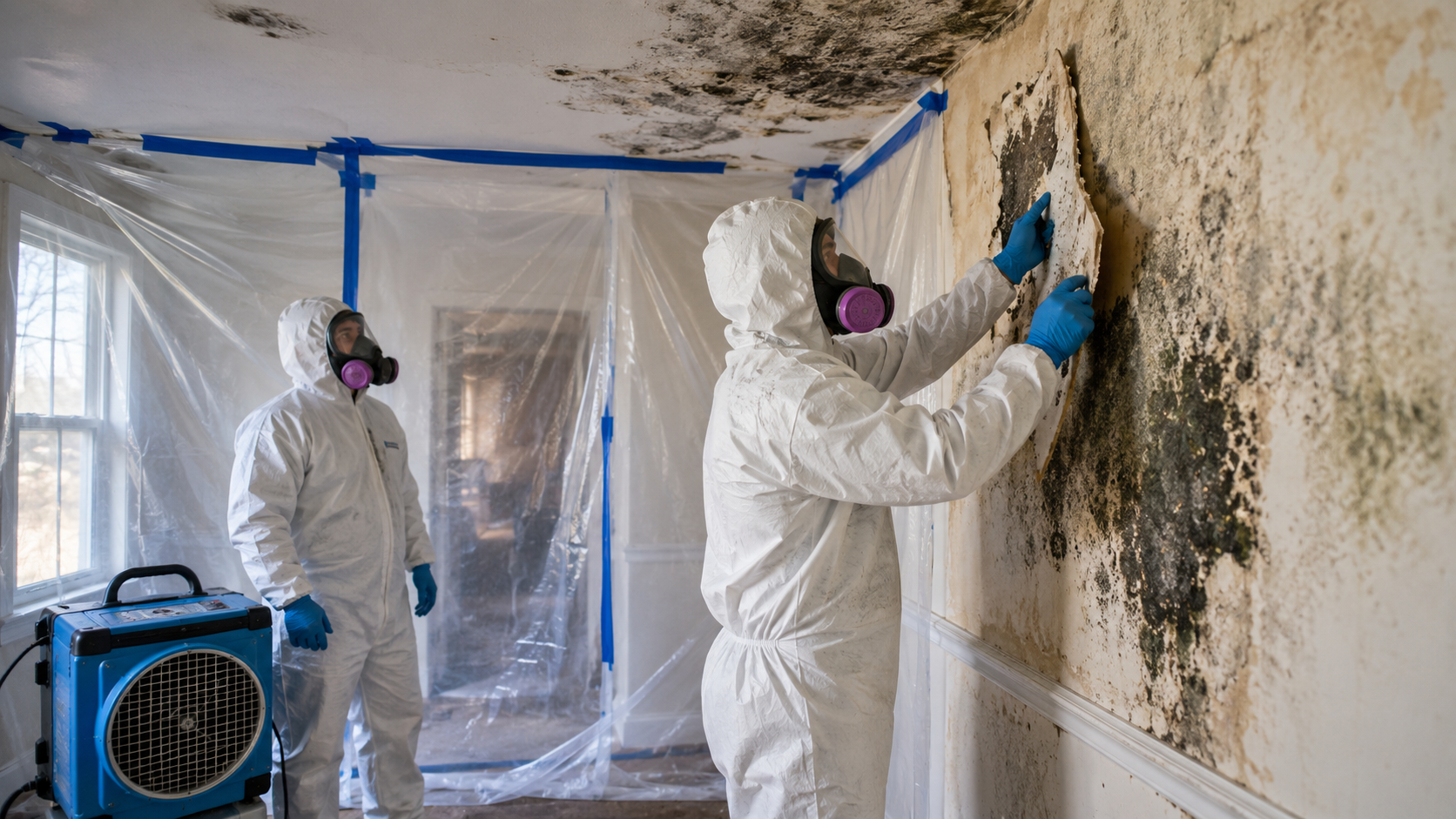
Restoration 1 of Lakeshore describes these core steps across their water overflow and flood recovery service pages, including extraction and drying to restore the property safely.
When to call for help (signs it’s beyond DIY)
You typically want professional water damage restoration if:
- Water damage reached walls or ceilings
- Multiple rooms are affected
- There’s a wet basement or crawlspace
- You smell mustiness within 24–48 hours
- Floors are warping or feel “soft”
- The water may be contaminated (backup/overflow/stormwater)
If you’re dealing with water damage in Zeeland, Holland, Jenison, Allendale, Muskegon, Grandville, Wayland, or nearby areas, request service through Restoration 1 of Lakeshore for 24/7 emergency water damage restoration.