
Smoke Damage After a Fire
Smoke Damage After a Fire: How Fire Damage Restoration Improves Indoor Air Quality
Zeeland, MI
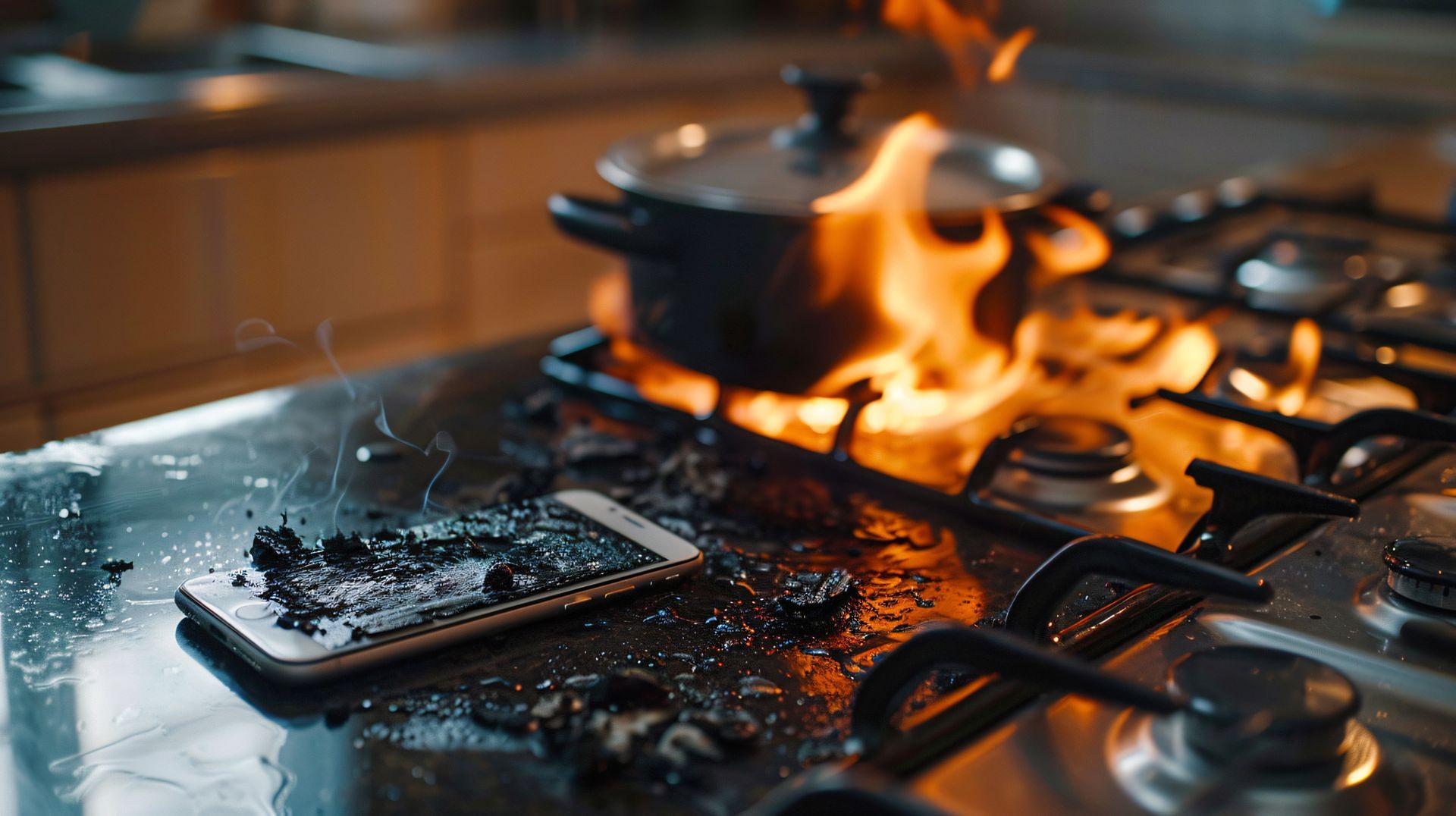
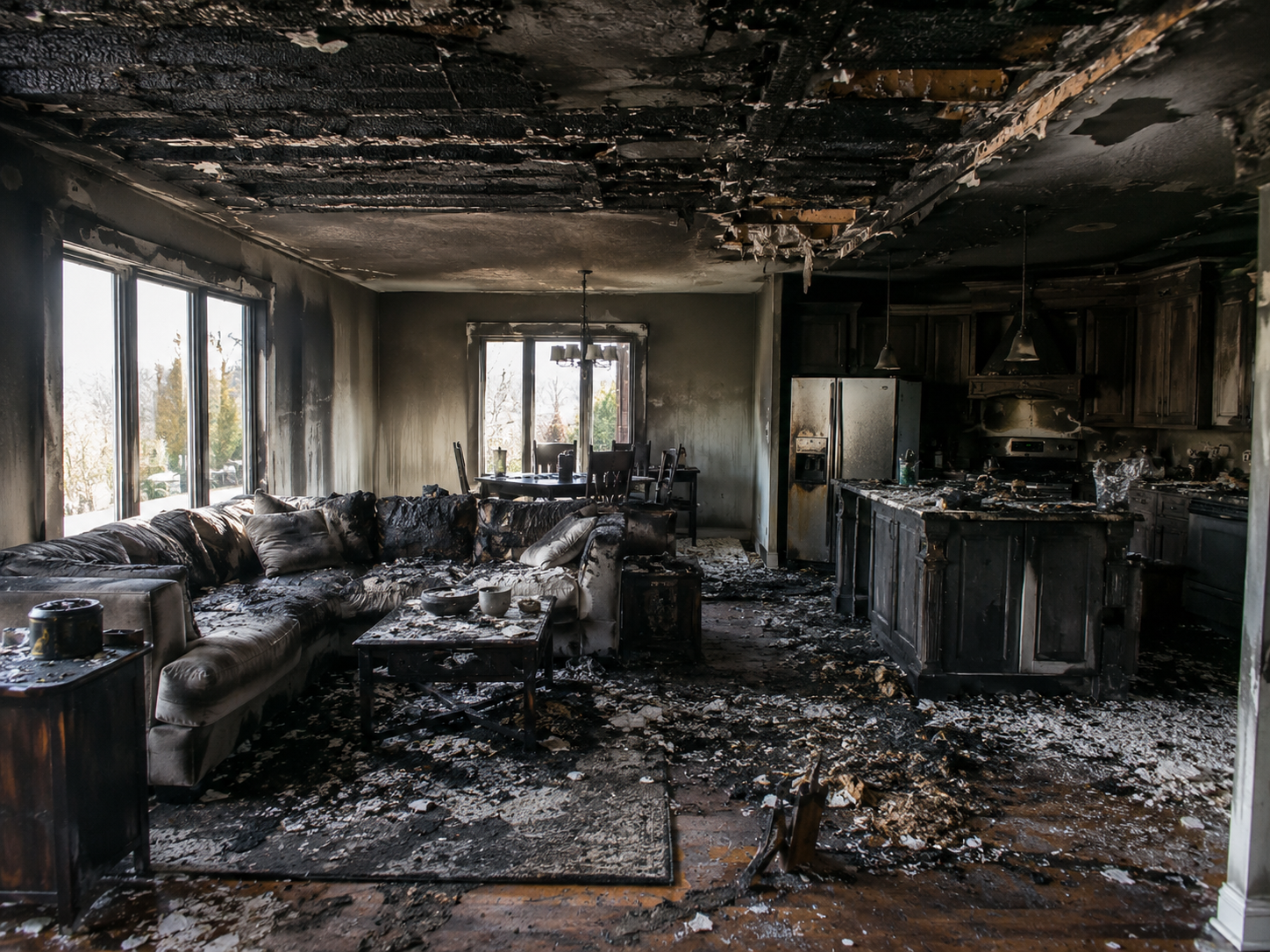
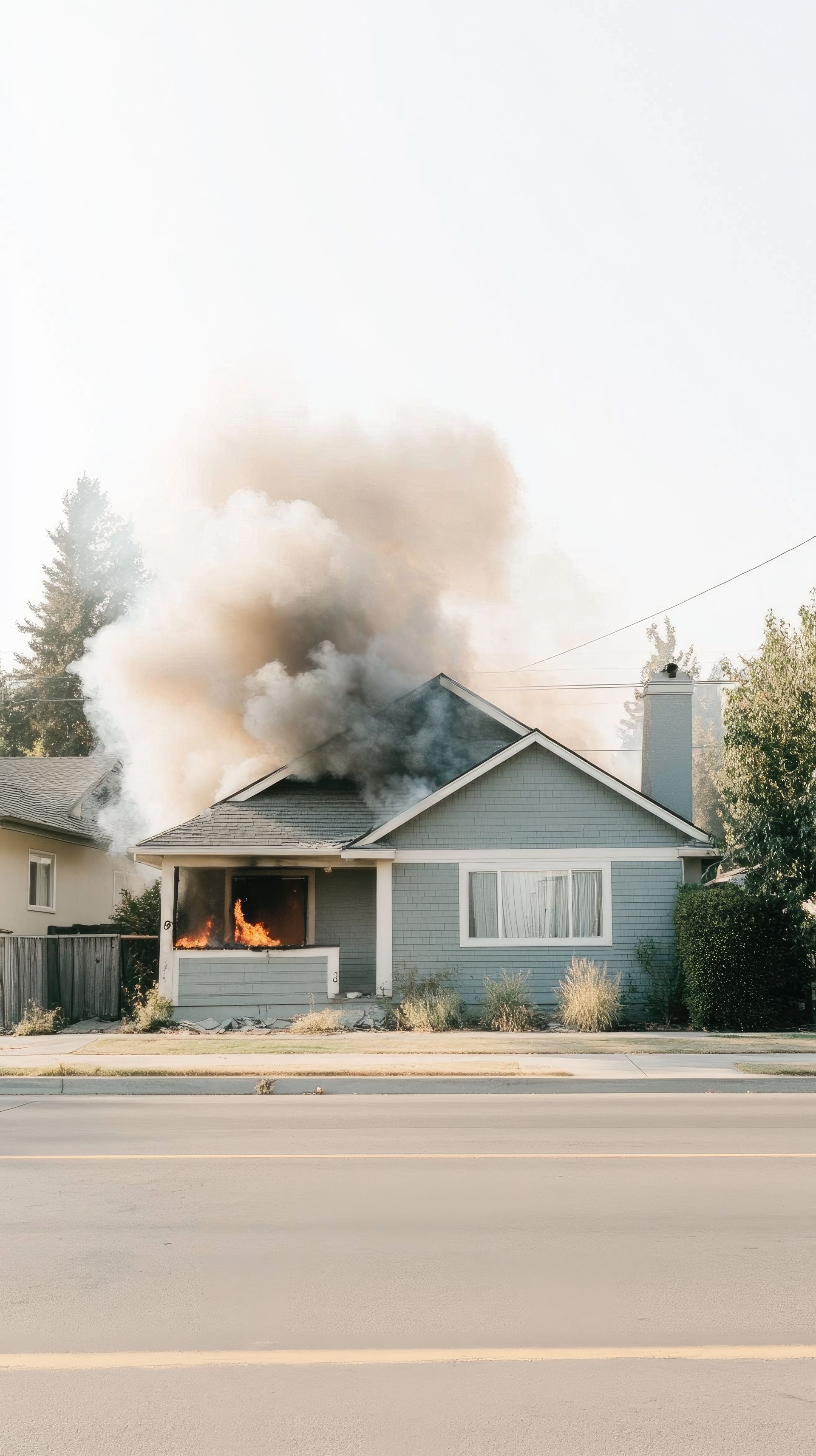
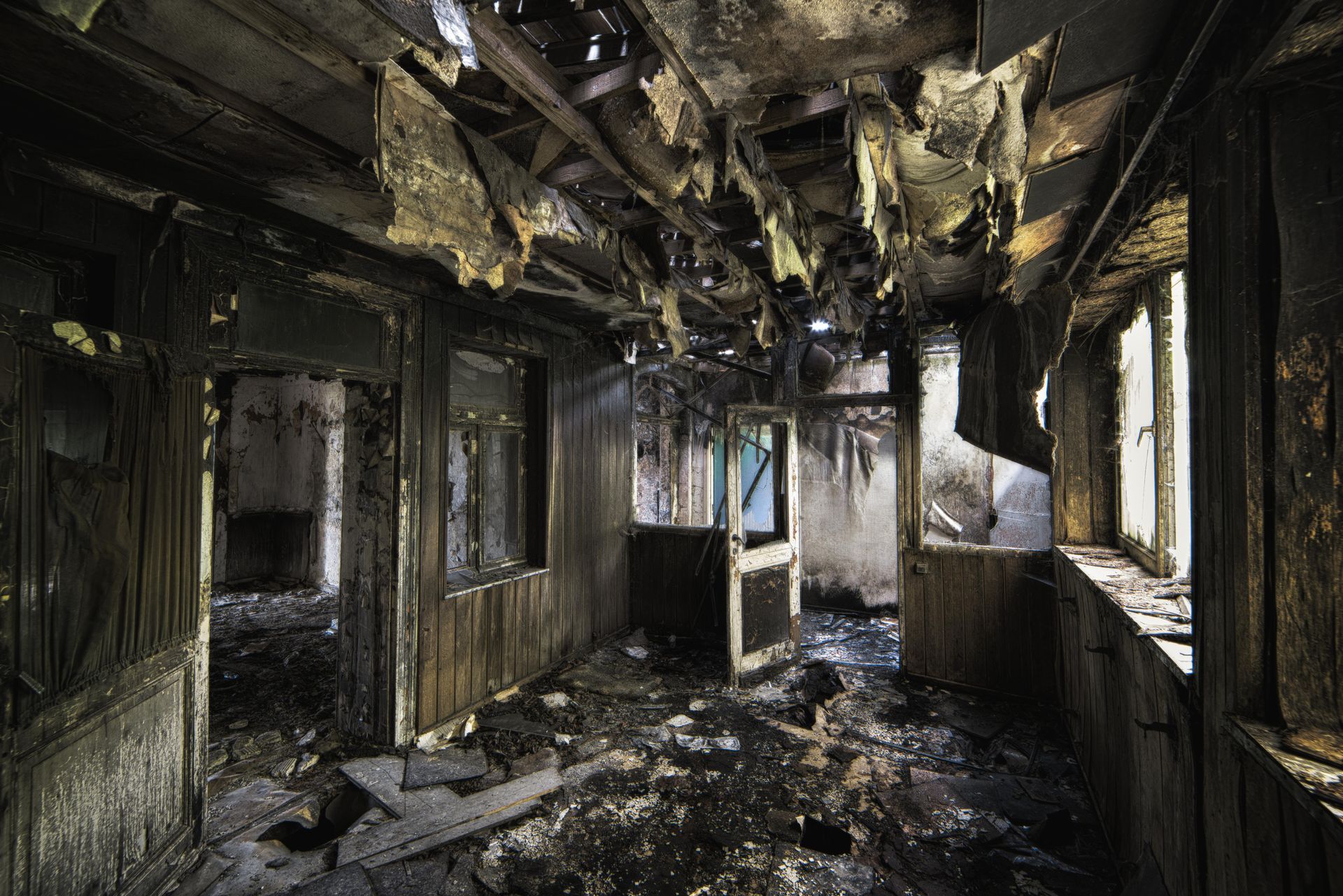
Even if the fire was contained to one area, smoke damage can travel throughout a home. Soot particles and odor compounds move through door gaps, hallways, and HVAC systems—then settle into carpet, insulation, furniture, and ductwork. That’s why many homeowners say the worst part of fire damage isn’t what burned—it’s what the smoke left behind.
Restoration 1 of Lakeshore warns that fire damage can compromise indoor air quality long after the flames and describes a remediation approach focused on restoring safe, breathable air.
Why smoke damage lingers (and why DIY methods fall short)
Smoke residue isn’t just “a smell.” After a fire, soot can embed into porous materials and release fine particulates and odor-causing compounds over time. That can lead to:
- Persistent musty/burnt odors
- Staining that bleeds through paint
- Irritated breathing or discomfort in the home
- Re-contamination of cleaned rooms if soot remains in adjacent spaces
Sprays and candles may mask odors temporarily, but they don’t remove soot or contamination at the source.
Common signs you need professional fire damage restoration
If any of these are true, you likely need more than surface cleaning:
- Smoke odor returns after airing out the home
- Black or gray film appears on surfaces
- Soot is visible around vents or returns
- Rooms feel “stuffy” or irritating to breathe in
- Contents (clothing, upholstery) smell permanently smoky
How fire damage restoration restores air quality
A professional approach targets the smoke damage at every layer—air, surfaces, contents, and HVAC pathways. Restoration 1 of Lakeshore describes a fire damage remediation process that can include:
- Air scrubbing with HEPA filtration
- Duct cleaning to remove soot and residue from airflow systems
- Odor neutralization (not just masking)
- Soot removal and cleaning of affected materials
- Air purification as part of restoring fire-damaged property
These steps matter because smoke damage can re-circulate if it remains in ductwork, insulation, or soft goods.
Don’t forget: fire damage often includes water damage too
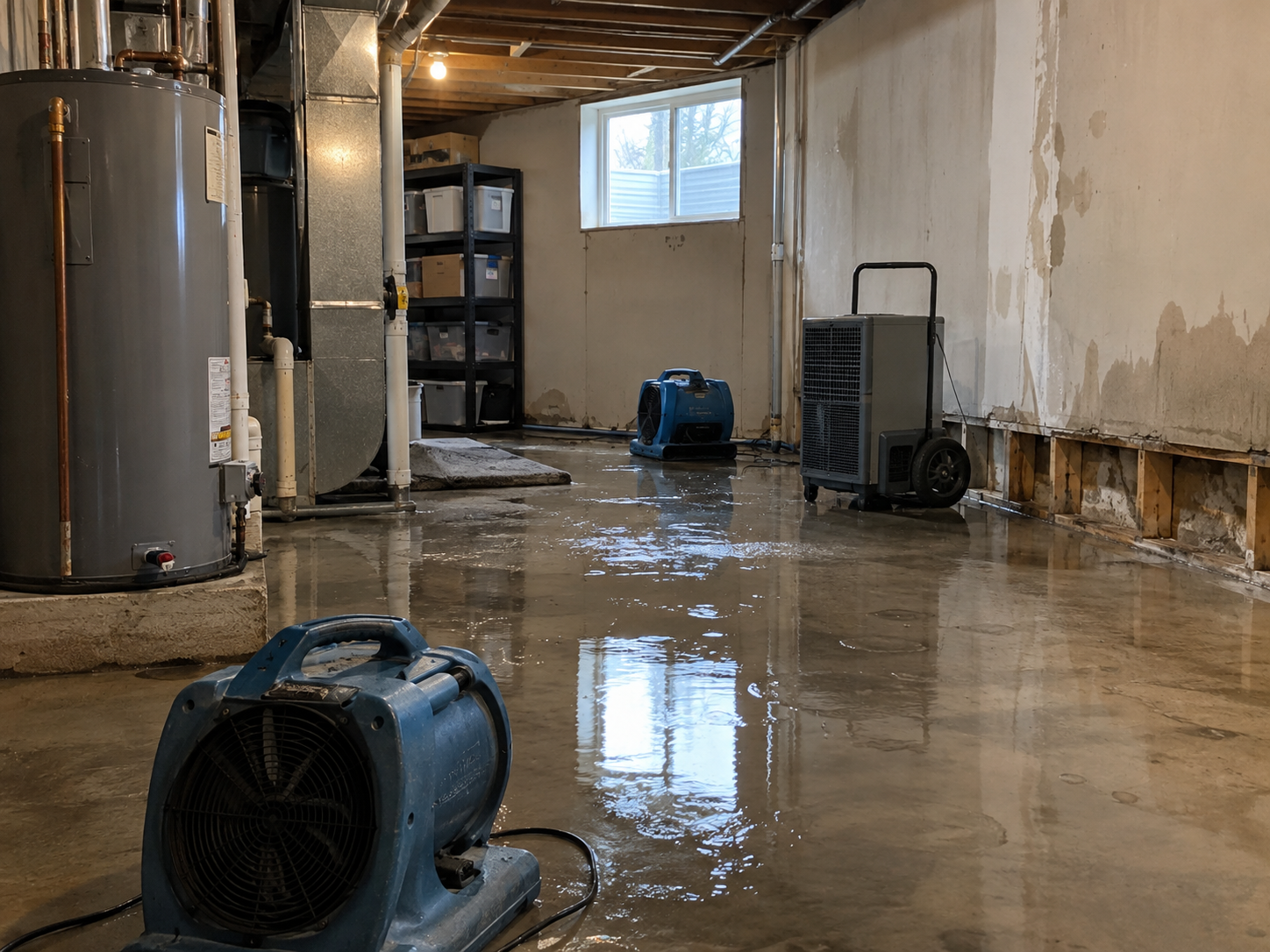
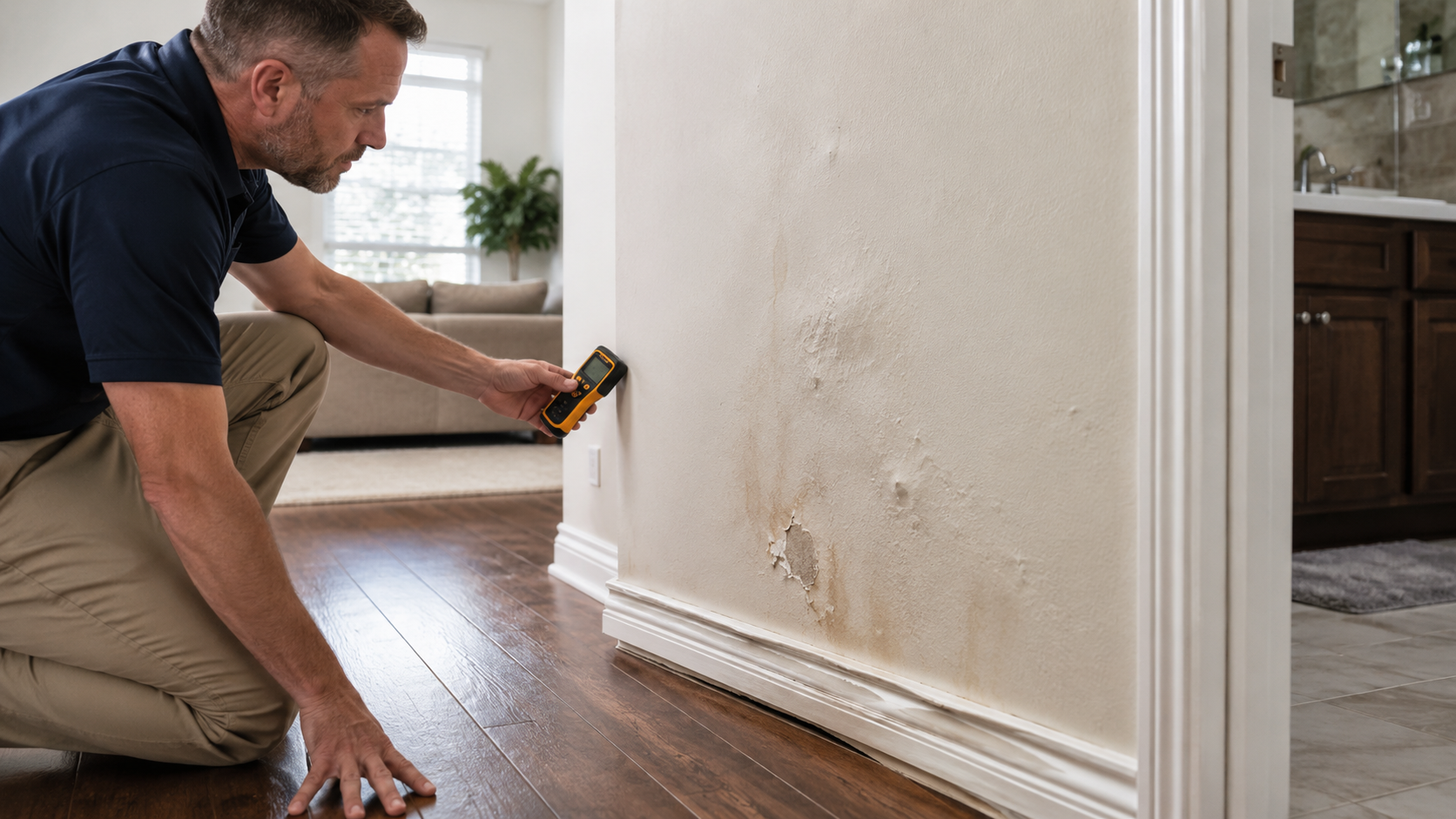
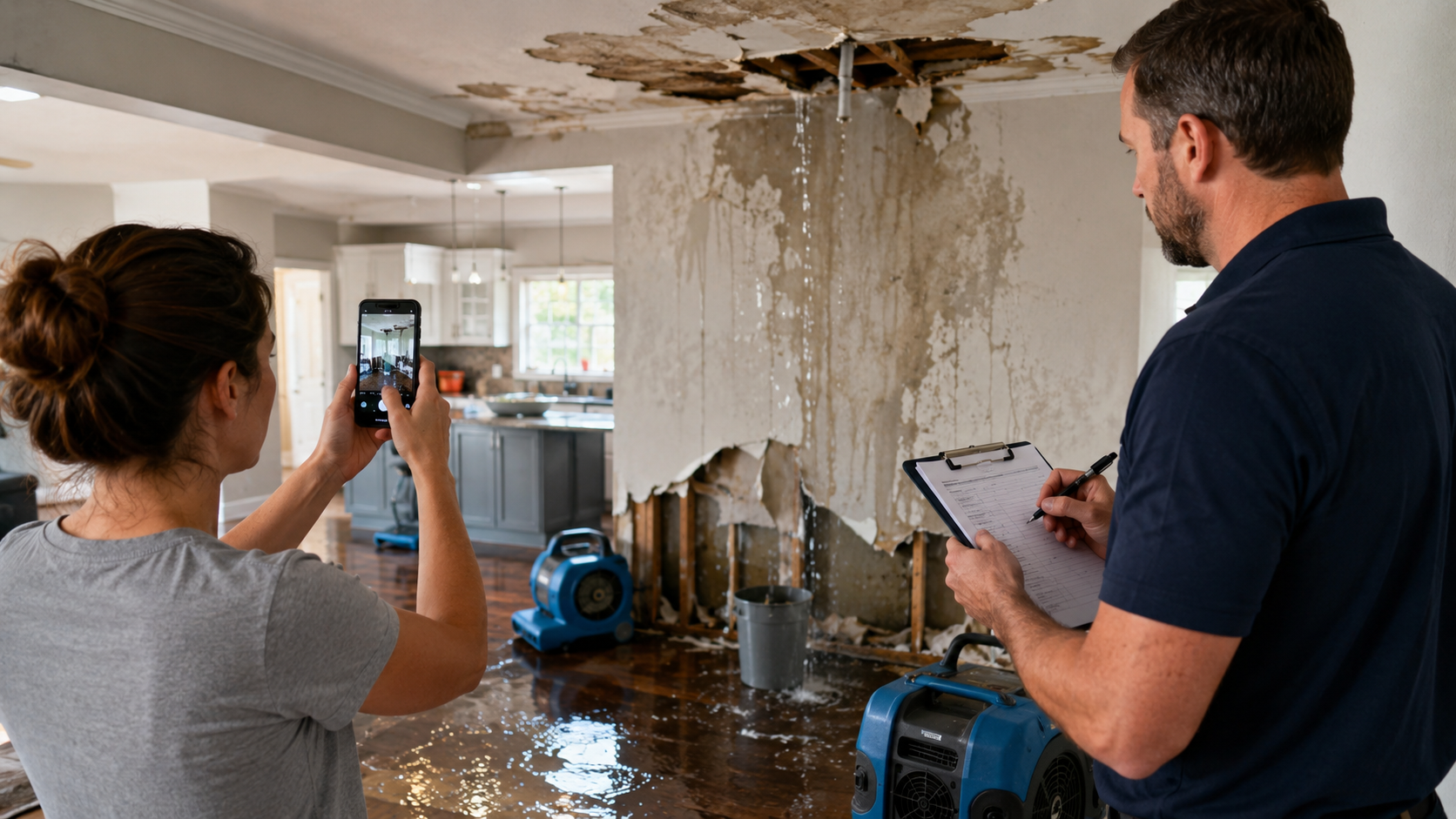
Many fire losses involve water from suppression efforts. That can introduce a second problem—moisture trapped behind walls or under flooring—which is why restoration should consider both smoke cleanup and drying needs as part of the overall recovery plan.
What to expect when you request fire damage restoration
Most fire restoration projects follow a clear progression:
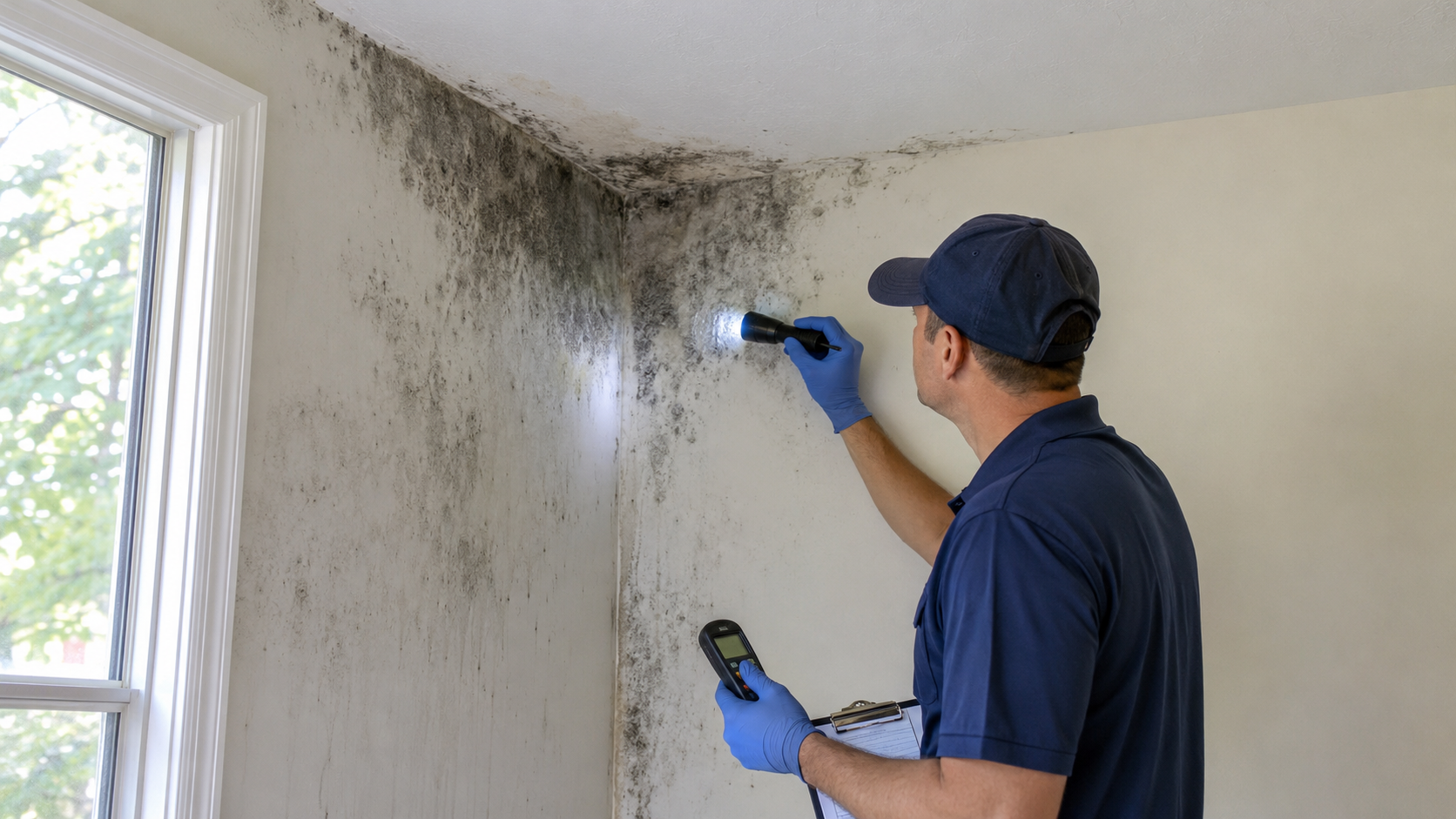
- Assessment of smoke pathways and soot spread
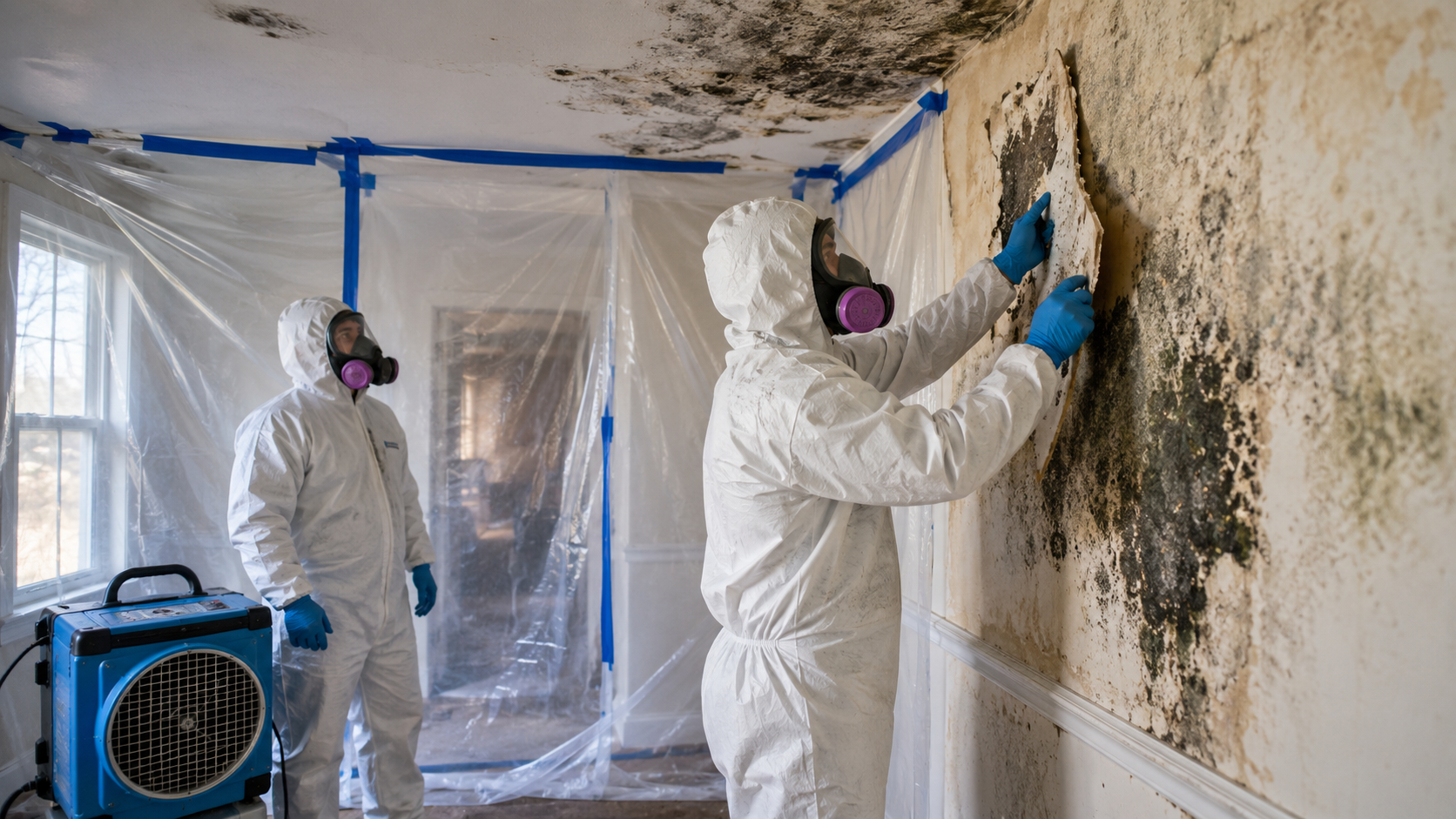
- Containment (to prevent cross-contamination)
- Soot removal and detailed cleaning
- Air scrubbing and odor neutralization
- Contents cleaning (as needed)
- Repairs to restore the home to pre-loss condition
Restoration 1 of Lakeshore states their certified smoke and fire specialists restore homes “inside and out” back to pre-loss condition and that they’re available 24/7.
If you’re dealing with lingering smoke odor, soot staining, or breathing discomfort after a fire, request help from Restoration 1 of Lakeshore so the fire damage restoration process addresses both visible damage and indoor air quality.