
Common Causes of Water Damage in West Michigan Homes
Common Causes of Water Damage in West Michigan Homes
And How to Prevent Costly Repairs
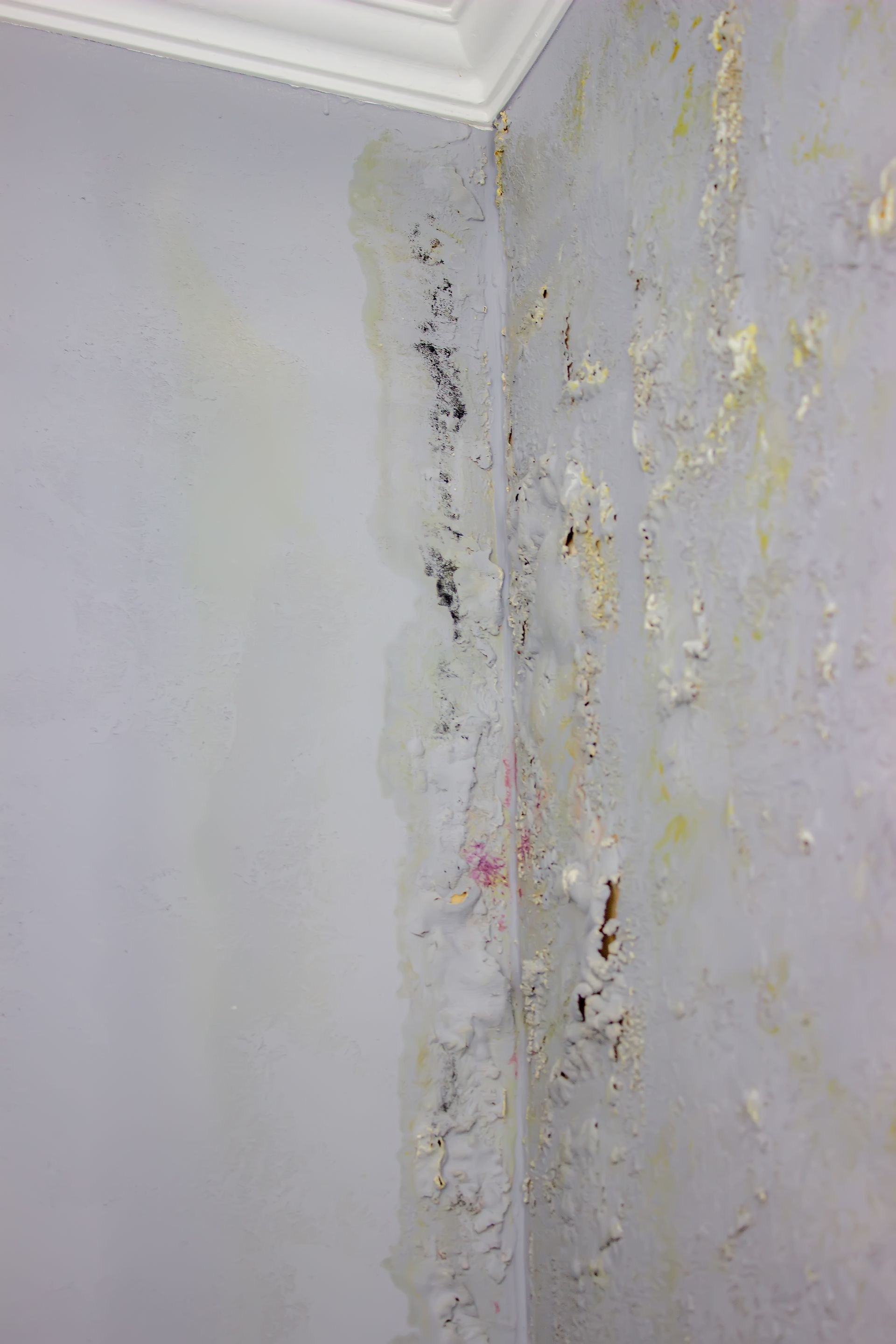
Most water damage isn’t caused by a dramatic flood. It’s often a slow leak, a small failure, or a problem that builds over time until it finally shows up as stained ceilings, warped floors, or a musty smell. Understanding the most common causes of water damage can help you prevent emergencies—or at least catch them before they become expensive.
At Restoration 1 of Lakeshore, we help homeowners across Zeeland and the Lakeshore area recover from water damage and restore their property with professional drying, cleanup, and repairs.
1) Burst or leaking pipes
In many homes, water lines run behind walls, under sinks, and through basements. A pinhole leak can quietly soak drywall and framing for weeks before anyone notices. Watch for:
- unexplained water bills
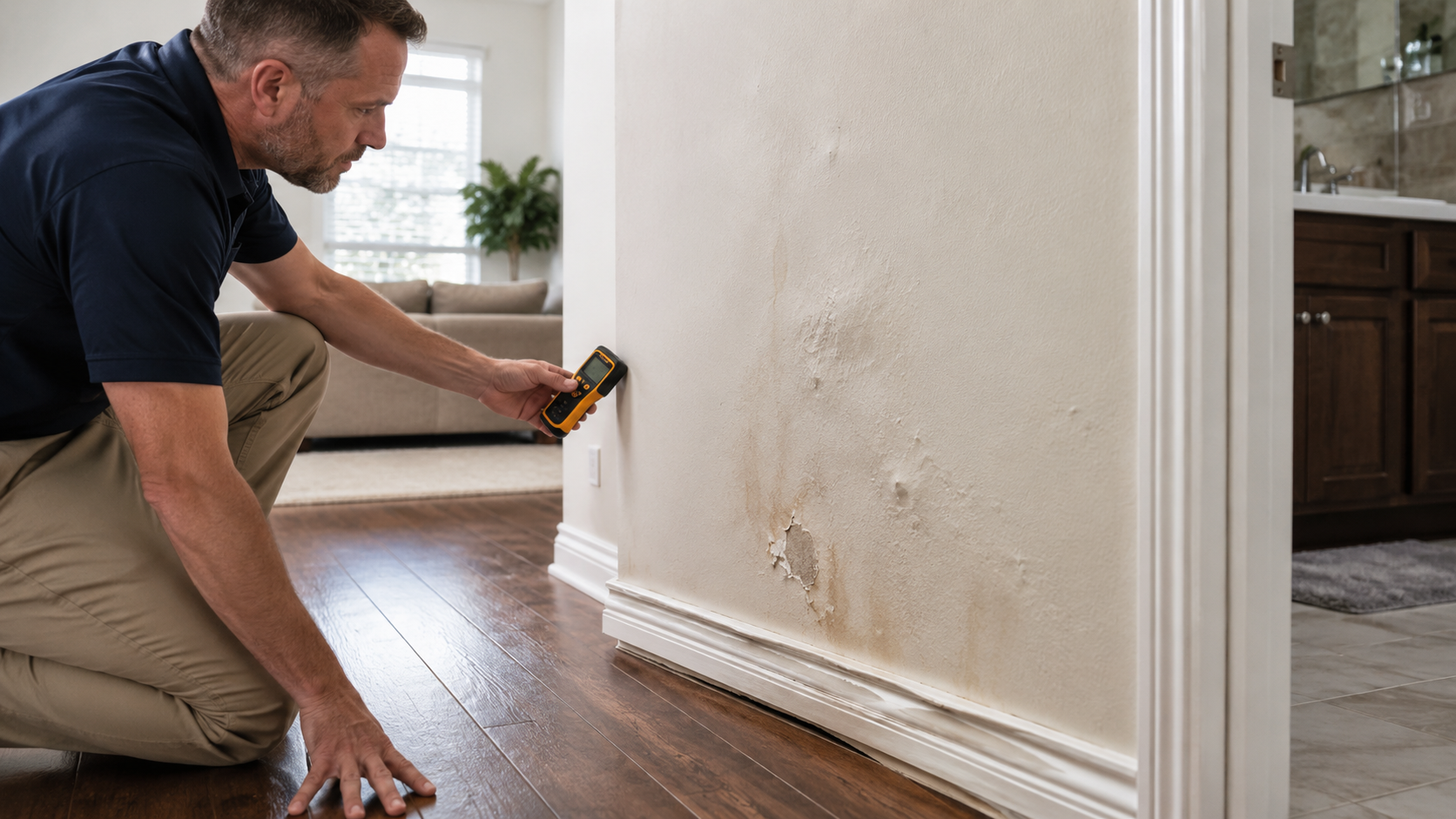
- damp spots on walls or ceilings
- warped baseboards
- “new” musty smells in one room
Prevention tip: Know where your main shutoff valve is and test it once a year.
2) Appliance leaks and overflows
Water heaters, washing machines, dishwashers, and refrigerators can fail without warning. A small hose crack can cause major damage in a short time, especially when water gets under flooring.
Prevention tip: Replace braided supply lines on schedule and use drip pans or leak alarms near high-risk appliances.
3) Roof leaks and attic moisture
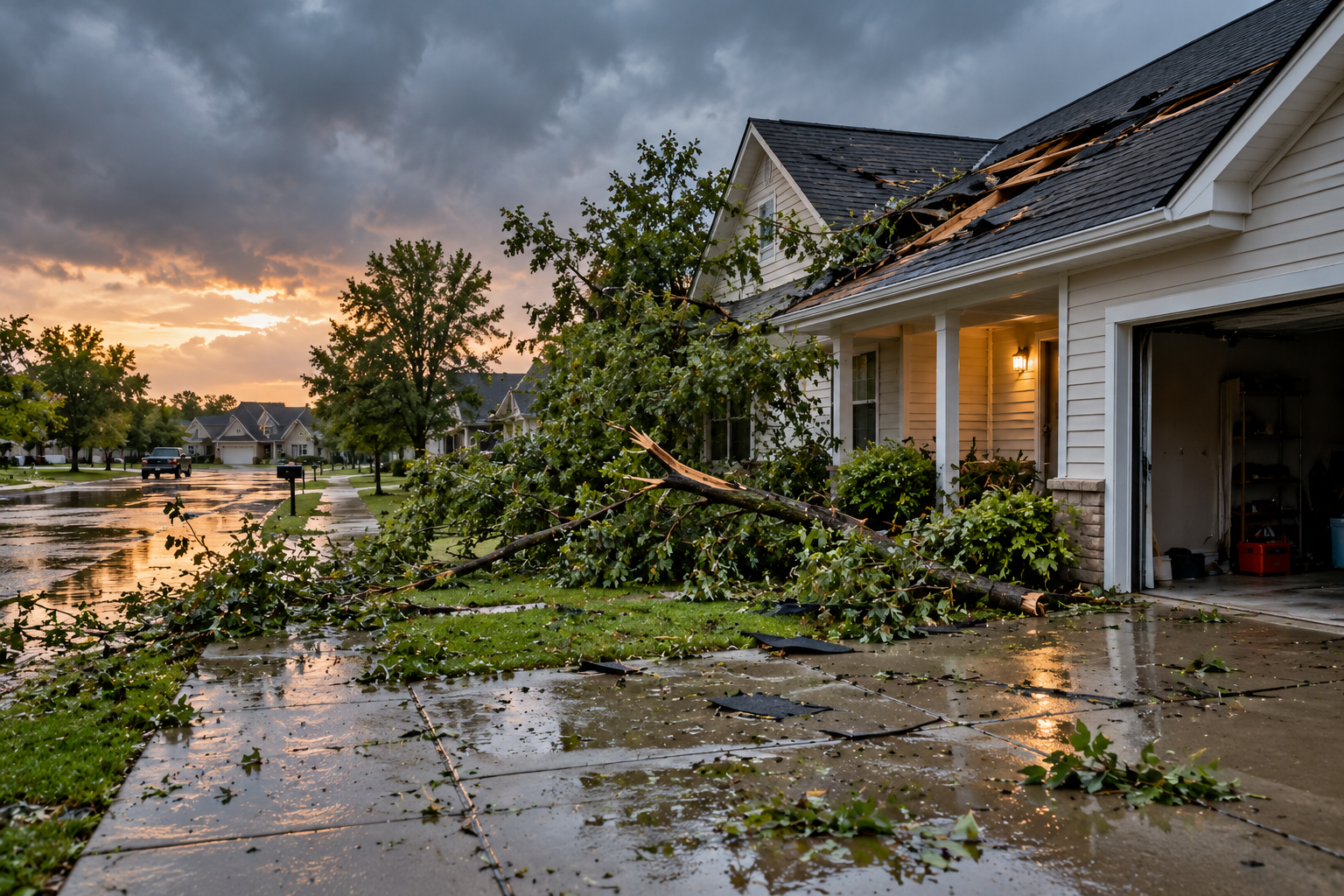
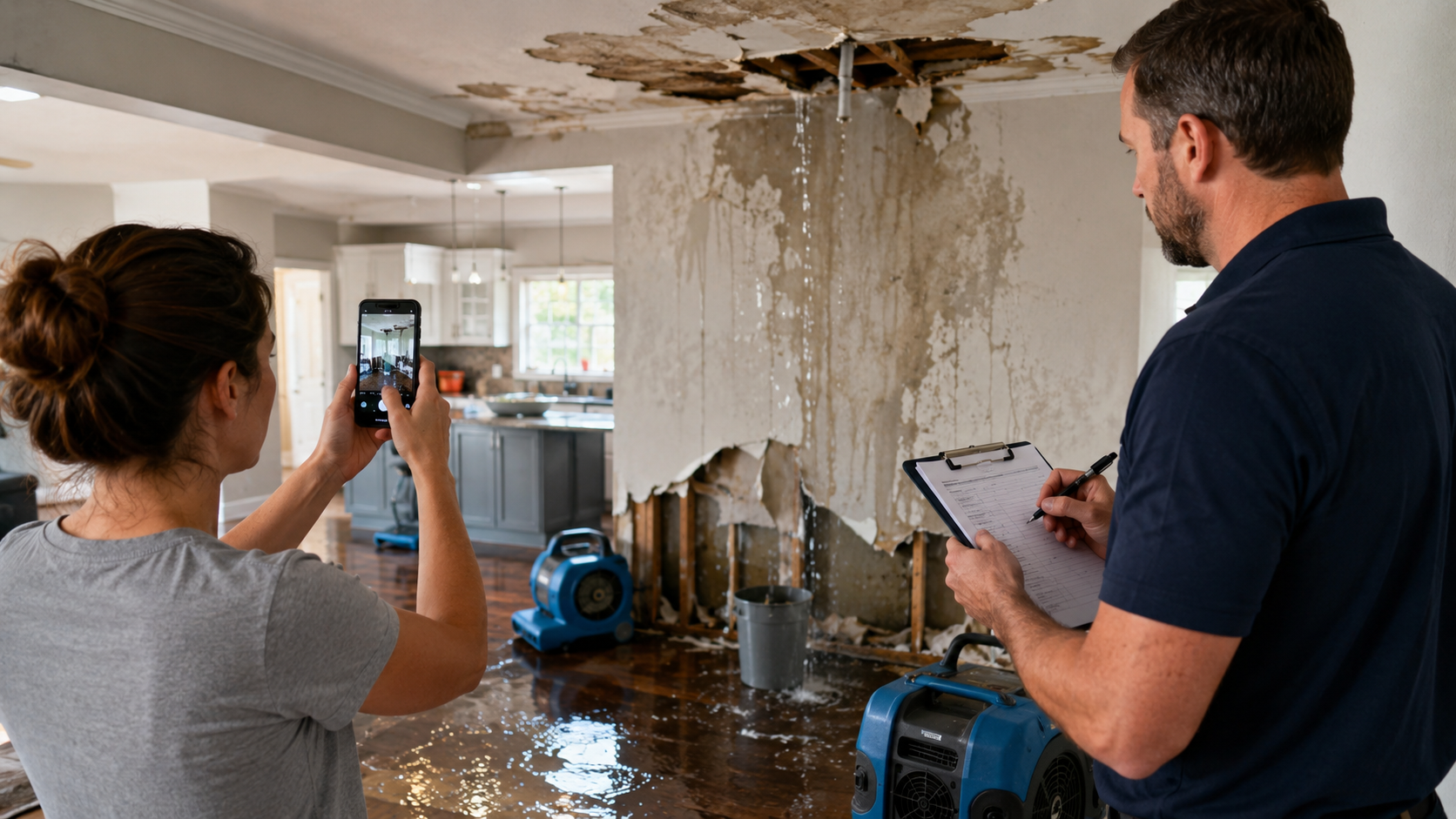
A missing shingle, damaged flashing, or ice-related roof issue can drip into insulation and ceilings. By the time you see a stain, the water may have already traveled.
Prevention tip: Inspect roof penetrations (vents/chimneys) and gutters seasonally—especially after storms.
4) Basement seepage and poor drainage
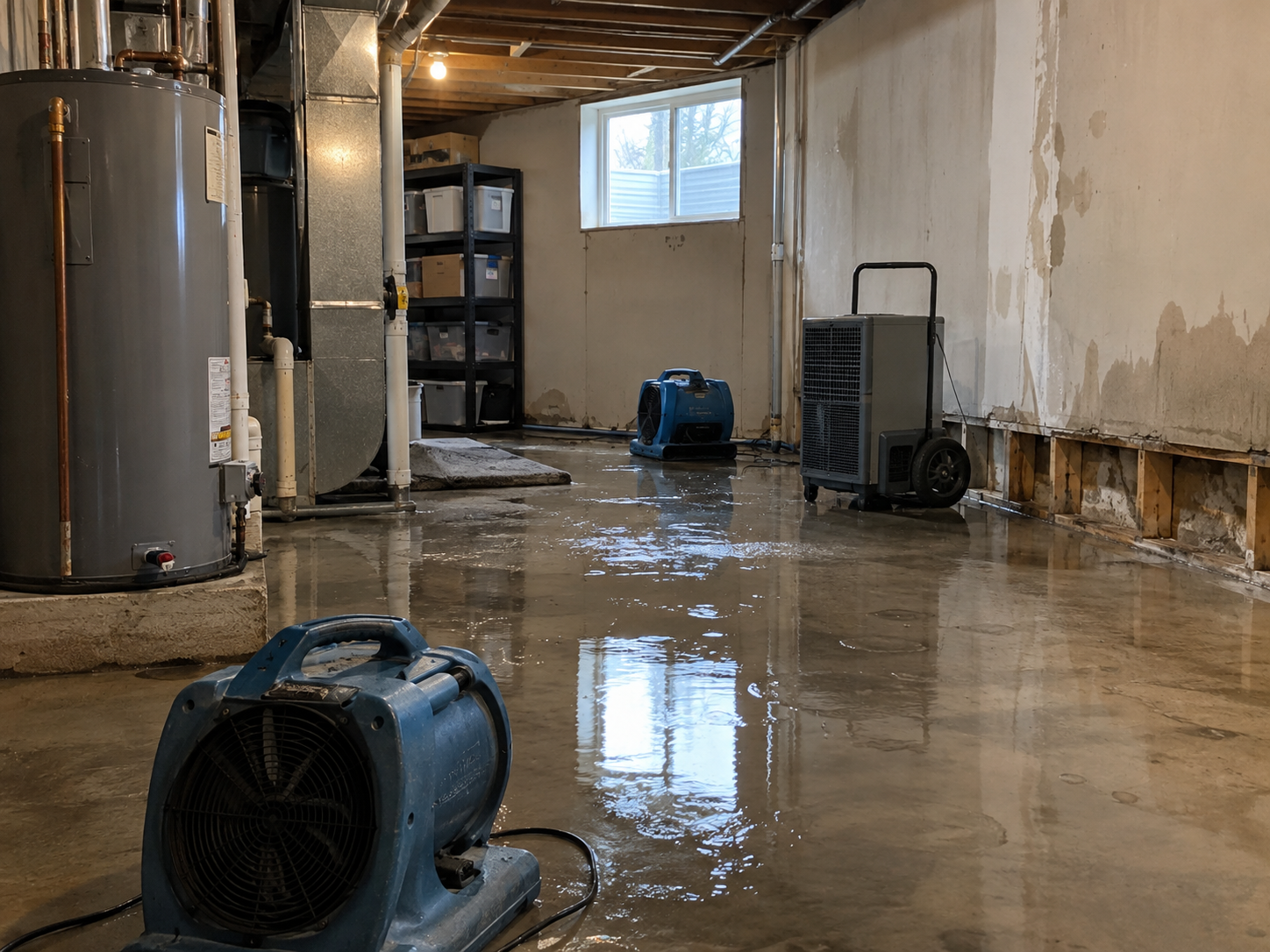
In West Michigan, heavy rain and snowmelt can lead to basement moisture and seepage through foundation cracks or window wells. Over time, this can damage drywall, flooring, and stored belongings.
Prevention tip: Keep gutters clean, extend downspouts away from the foundation, and ensure the yard slopes away from the home.
5) HVAC and condensation issues
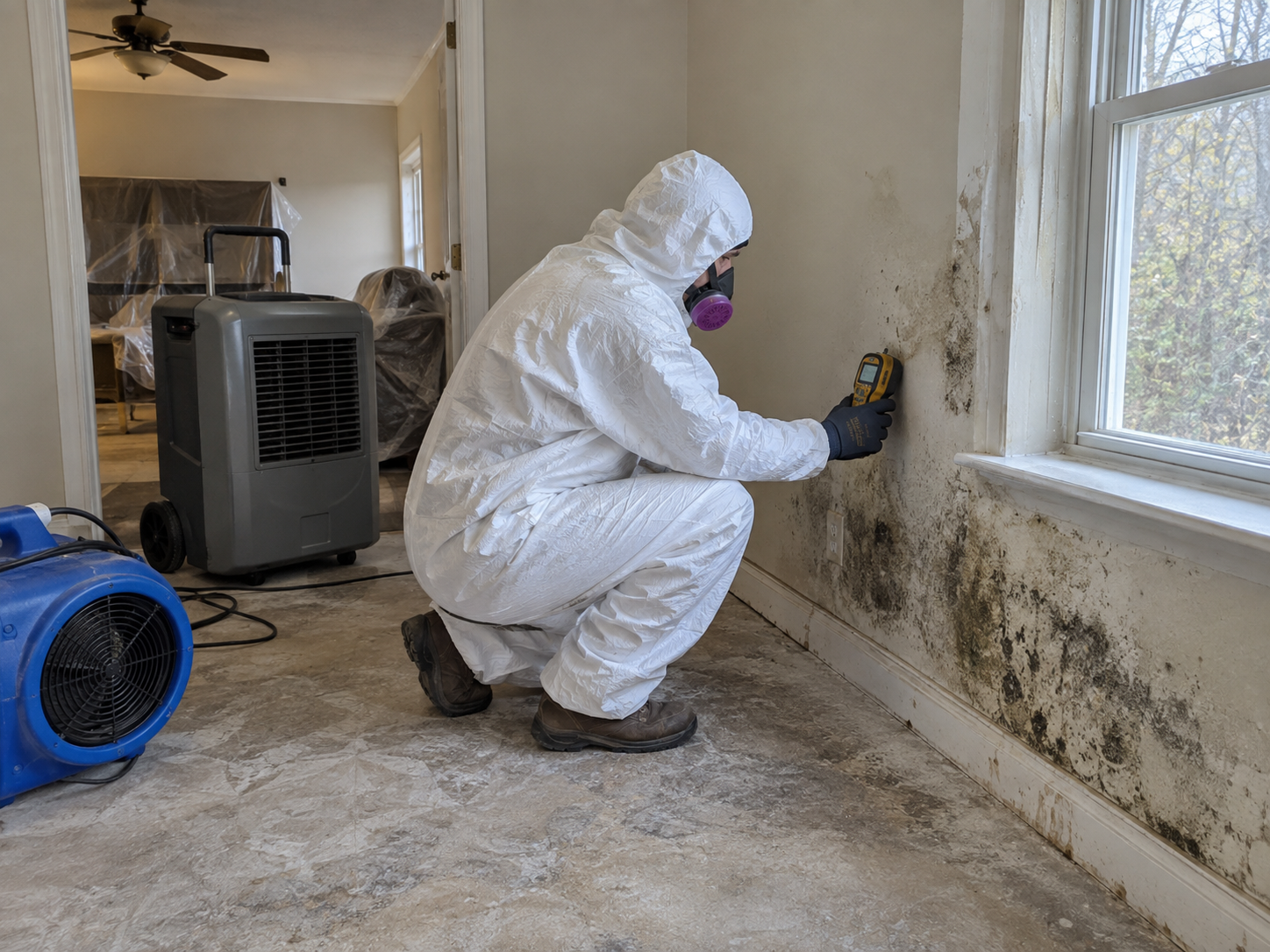
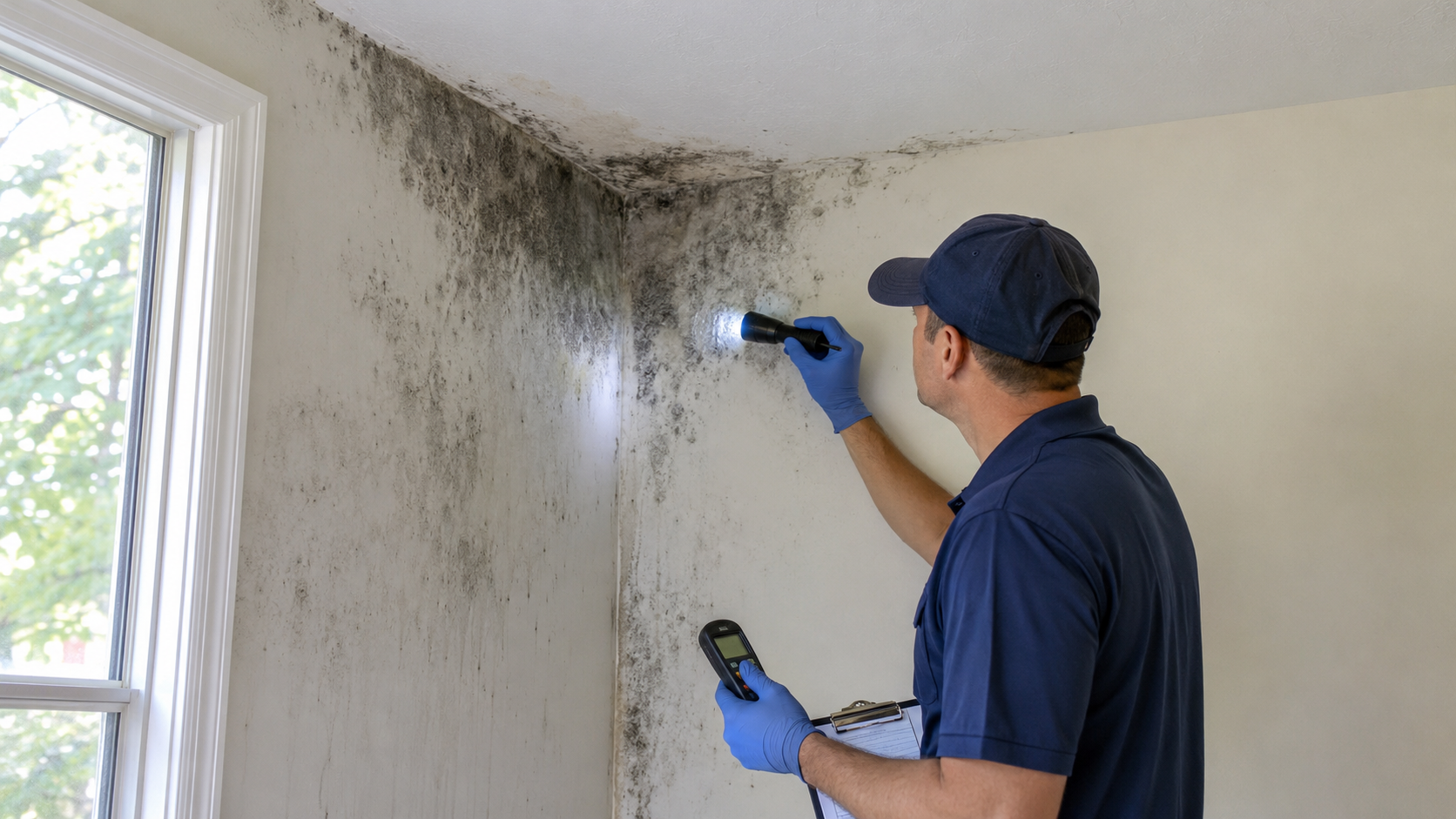
Clogged AC drain lines, humid crawlspaces, and poor ventilation can add moisture where you least expect it—often leading to water damage and mold risk in the same areas.
Prevention tip: Change filters, inspect drain lines, and keep humidity controlled in basements and lower levels.
What to do when water damage happens
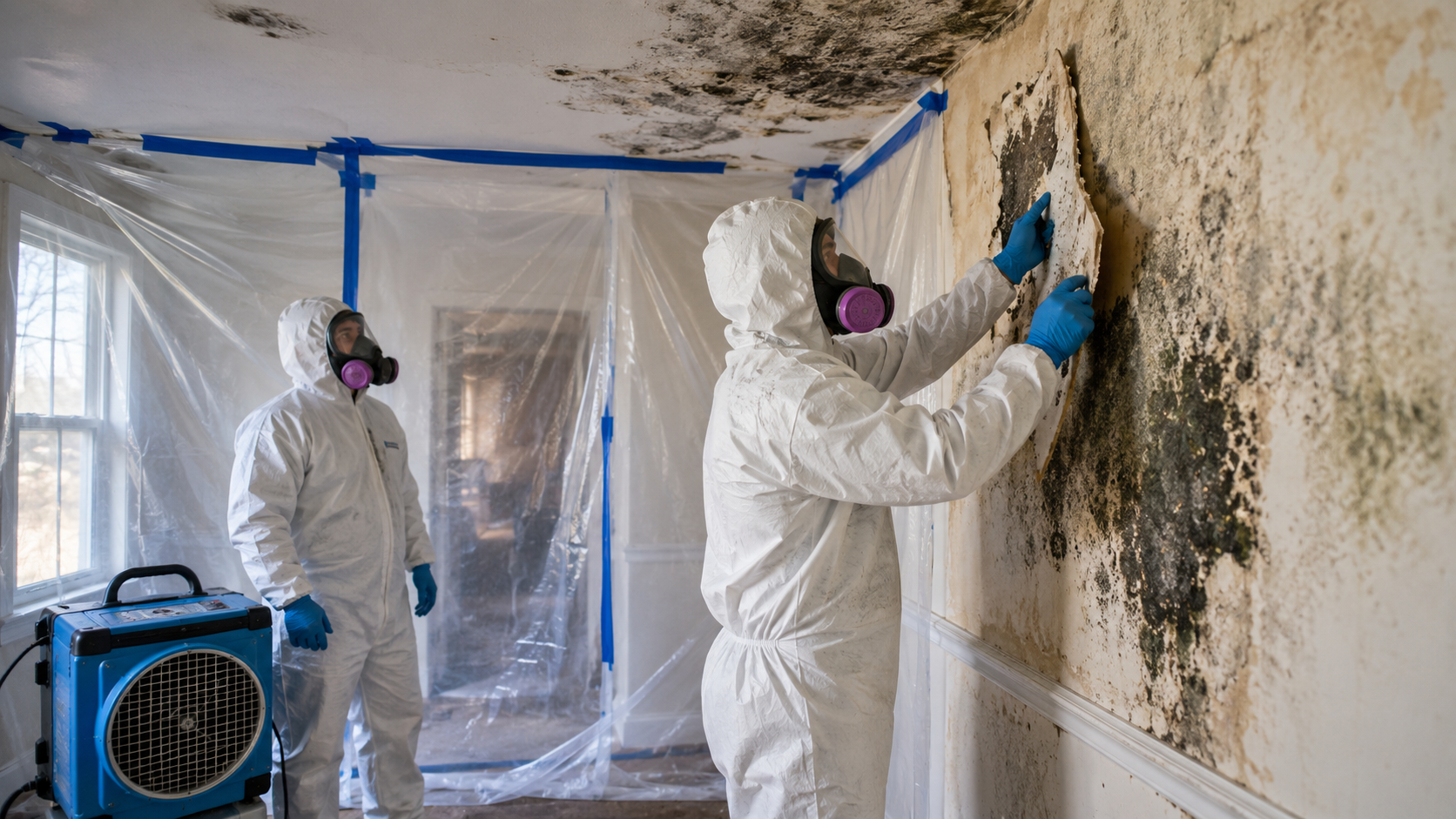
Even if the water looks “contained,” it often spreads into materials that hold moisture. Professional water damage restoration typically includes:
- water extraction
- moisture readings and mapping
- drying and dehumidification
- antimicrobial cleaning (when appropriate)
- repair planning for affected materials
The takeaway for Zeeland homeowners
Water damage is easier and cheaper to prevent than to repair—but if it happens, acting quickly makes a huge difference. If you’re dealing with wet floors, ceiling stains, basement water, or a sudden leak, Restoration 1 of Lakeshore can help restore your home and prevent the damage from getting worse.