
How Fast Mold Can Grow After Water Damage
How Fast Mold Can Grow After Water Damage
A Zeeland, MI Homeowner Guide
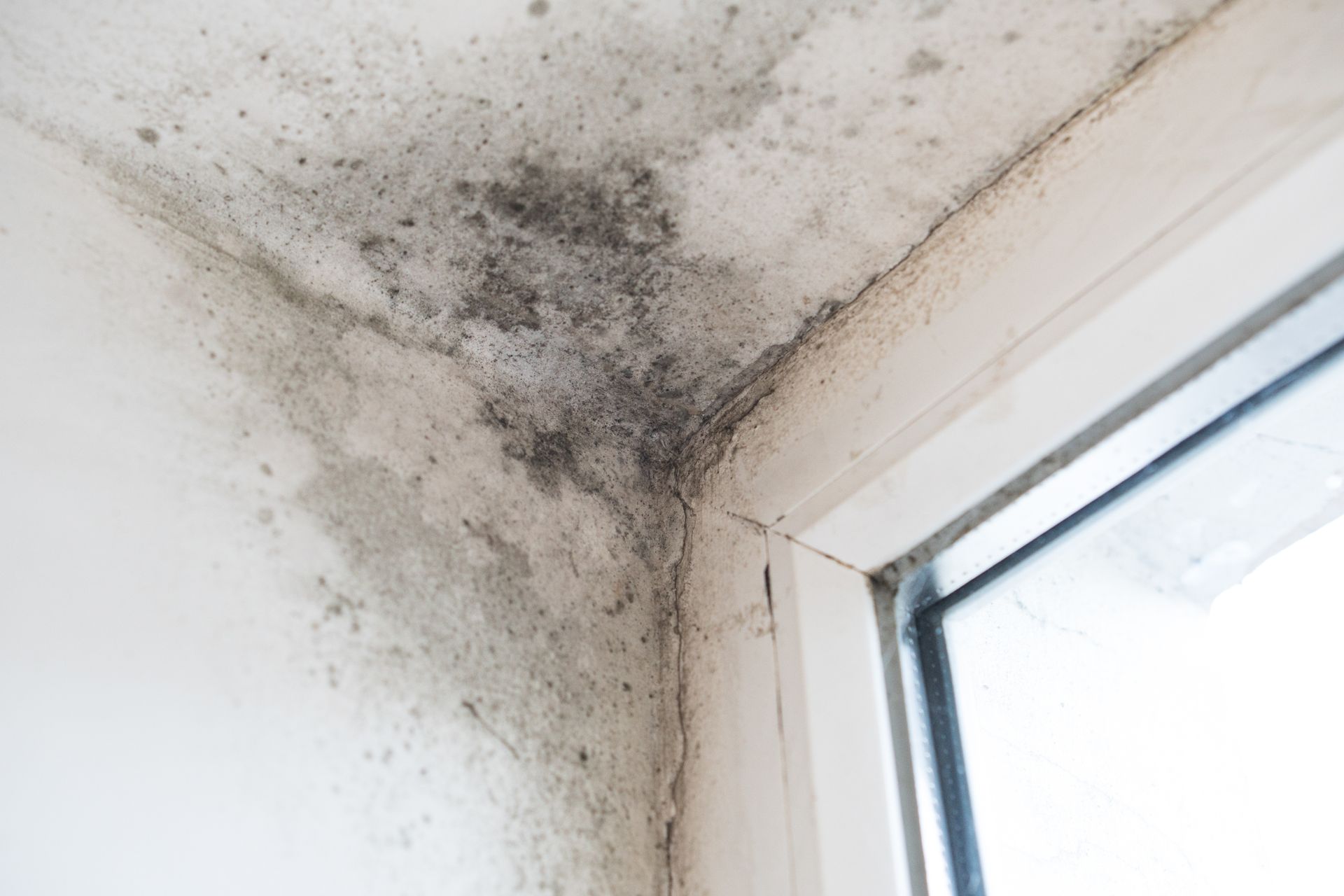
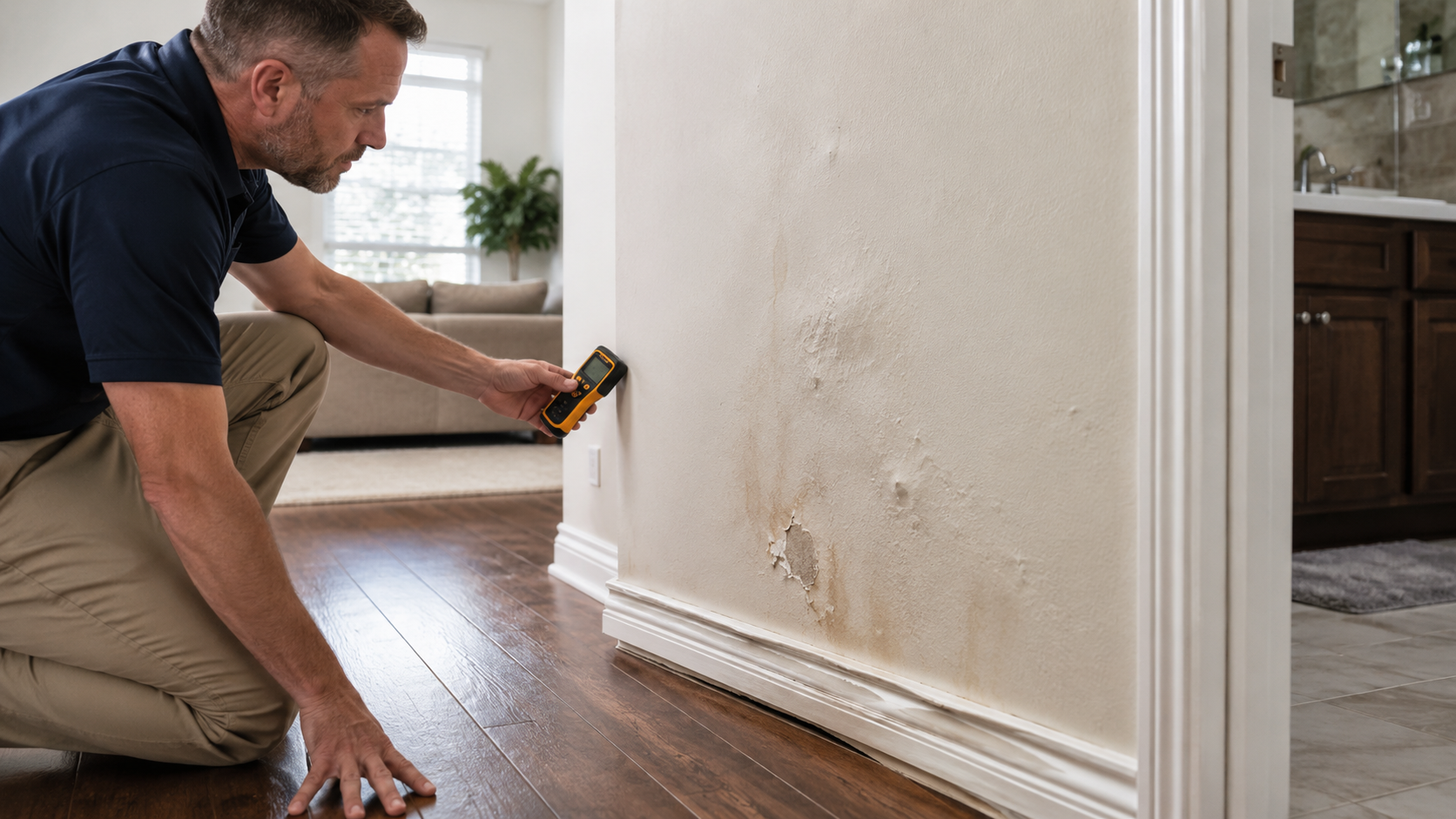
A common mistake after a leak or overflow is thinking, “We caught it early, so we’re fine.” But water damage doesn’t always show where it traveled—moisture can wick behind baseboards, soak insulation, or settle under flooring where fans can’t reach. That’s why mold often appears after things look “mostly dry.”
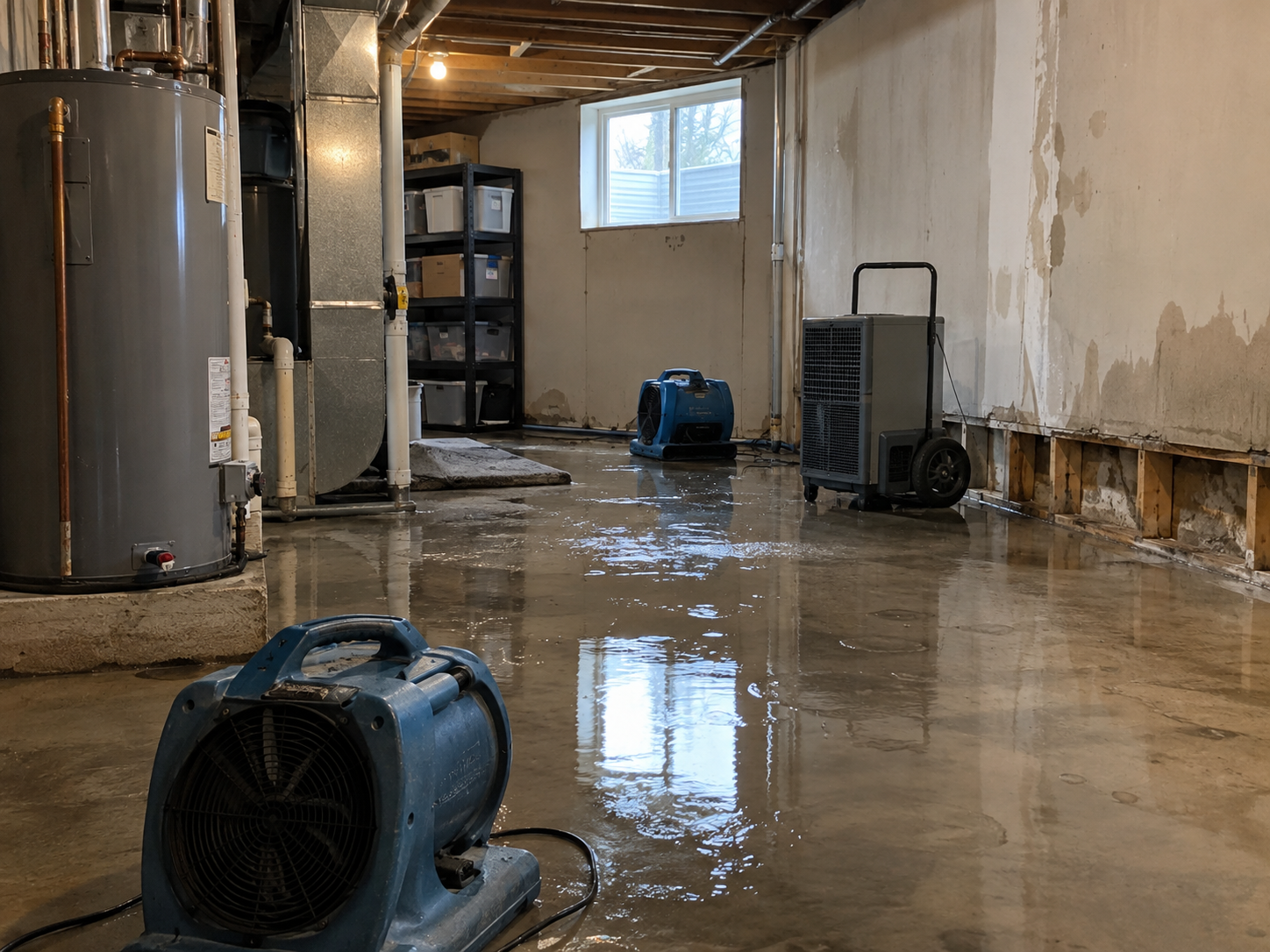
Restoration 1 of Lakeshore highlights the importance of immediate extraction and professional drying to help prevent mold from taking hold.
Why mold shows up after leaks and floods
Mold needs two things to grow: moisture and organic material (like drywall paper, wood, or dust). After water damage, the risk goes up when:
- Water sits in hidden cavities (walls, subfloors, insulation)
- Humidity stays elevated indoors
- Carpet padding or insulation remains damp
- Wet materials aren’t removed or dried properly
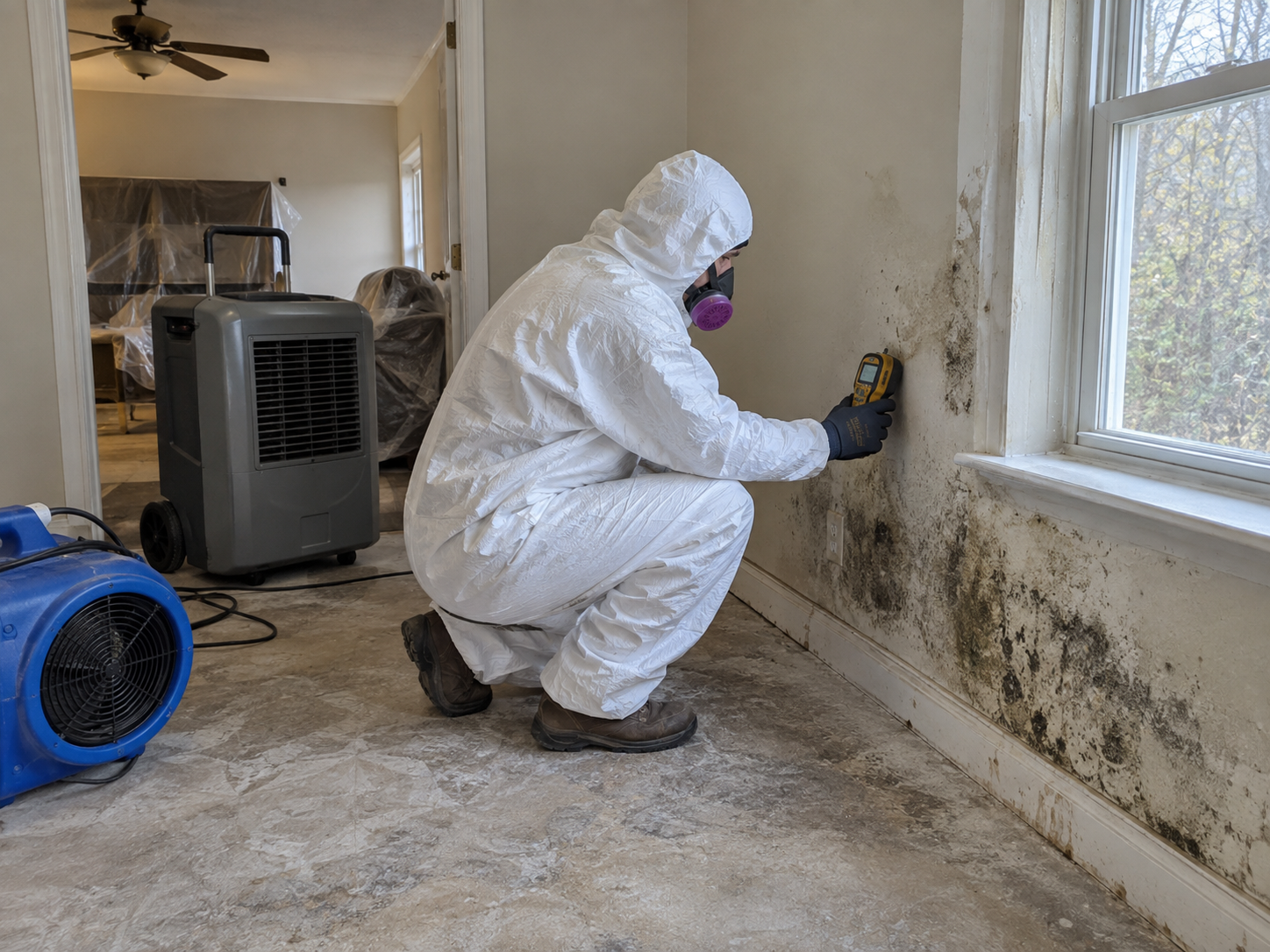
Restoration 1’s general mold remediation guidance notes mold can begin developing quickly—sometimes within about a day—so time matters.
“How fast can mold grow?”
In many situations, mold can start developing within a short window after water exposure, which is why professional drying and moisture monitoring are so important—especially for basements and crawlspaces where dampness lingers.
Hidden water damage = hidden mold risk
Some of the biggest mold problems are tied to water you don’t see, including:
- Behind drywall after a plumbing leak
- Under LVP, tile, or carpet after an overflow
- Inside attic insulation after roof drips
- In crawlspaces after seepage or a sump issue
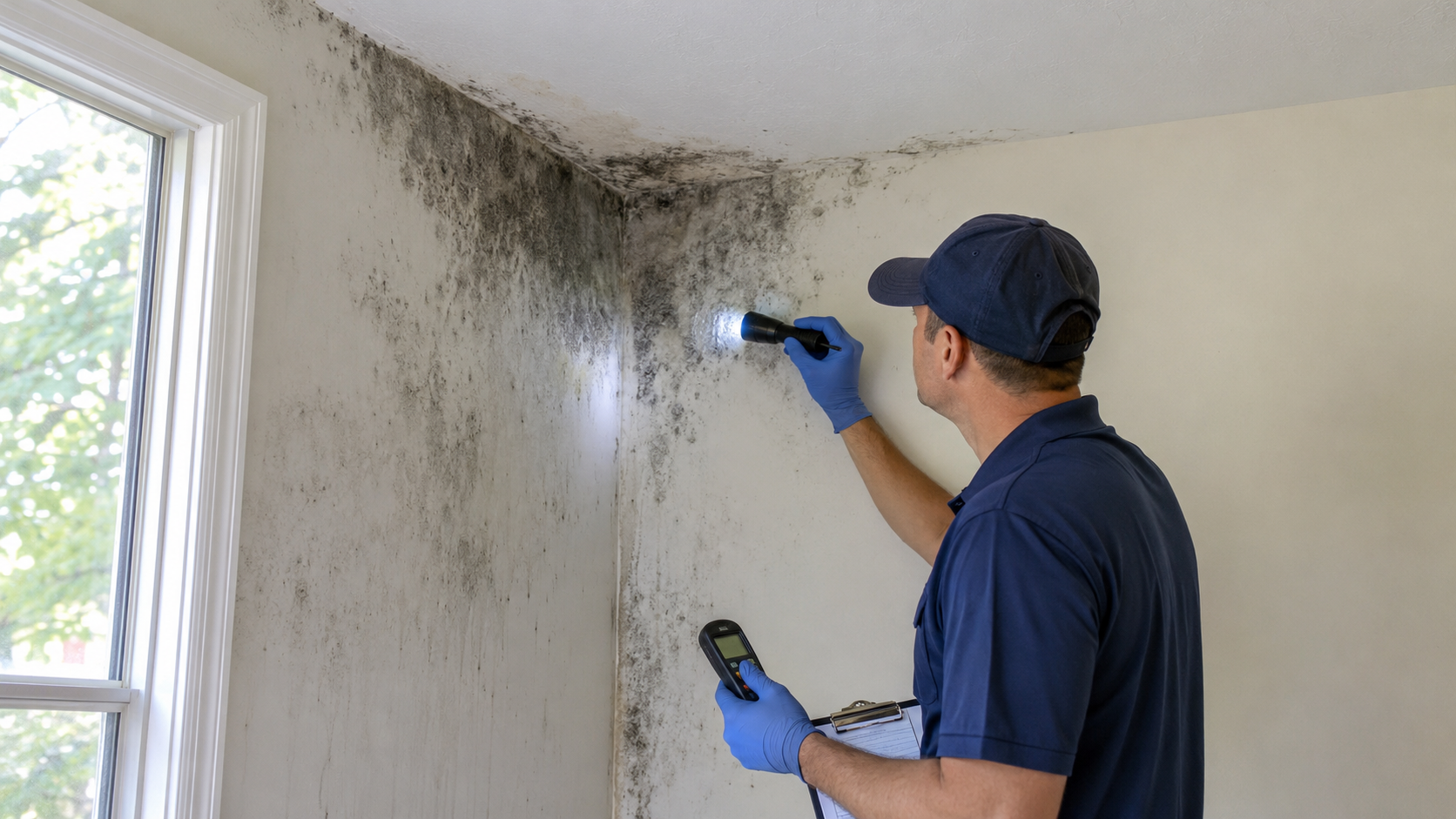
If you’ve had a water event and notice a musty smell, staining, or recurring dampness, it’s smart to treat it as a moisture investigation—not just a “cleaning” issue.
Why drying and material decisions matter
Certain materials (like insulation) can trap moisture and may need removal and replacement after flooding to reduce long-term mold risk. Restoration 1 of Lakeshore discusses why flood-damaged insulation often must be replaced, which ties directly into mold prevention during restoration.
The safest next steps after water damage
If your home in Zeeland (or nearby areas) has water damage:
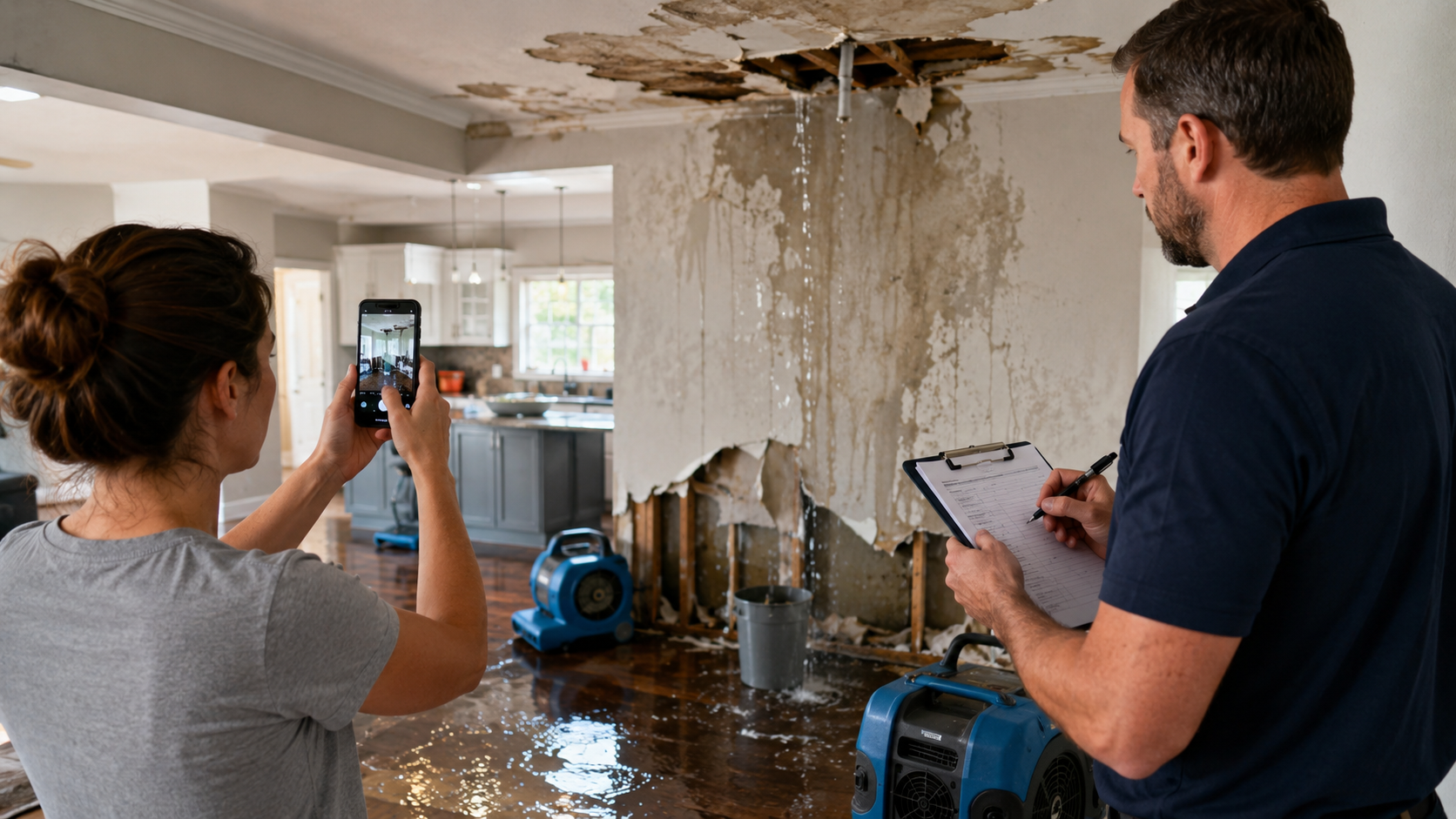
- Take photos of affected areas (helpful for insurance)
- Don’t assume surface drying is enough
- Avoid opening walls or scrubbing suspected mold broadly
- Get a professional moisture assessment and drying plan
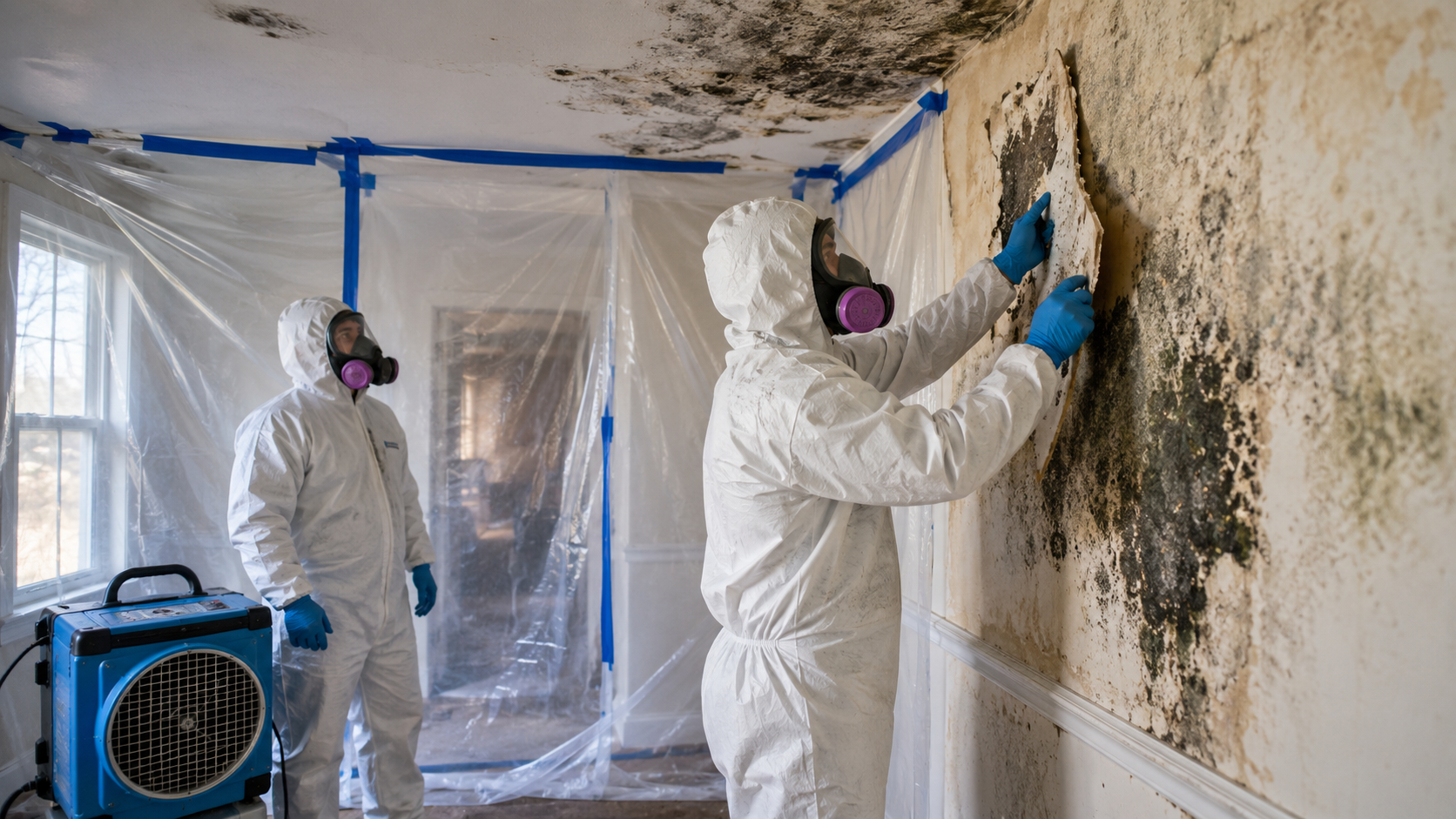
Restoration 1 of Lakeshore offers water damage cleanup and mold remediation services as part of their restoration work in the Lakeshore area.