
Common Signs of Hidden Water Damage in Your Home
Common Signs of Hidden Water Damage in Your Home
Zeeland, MI
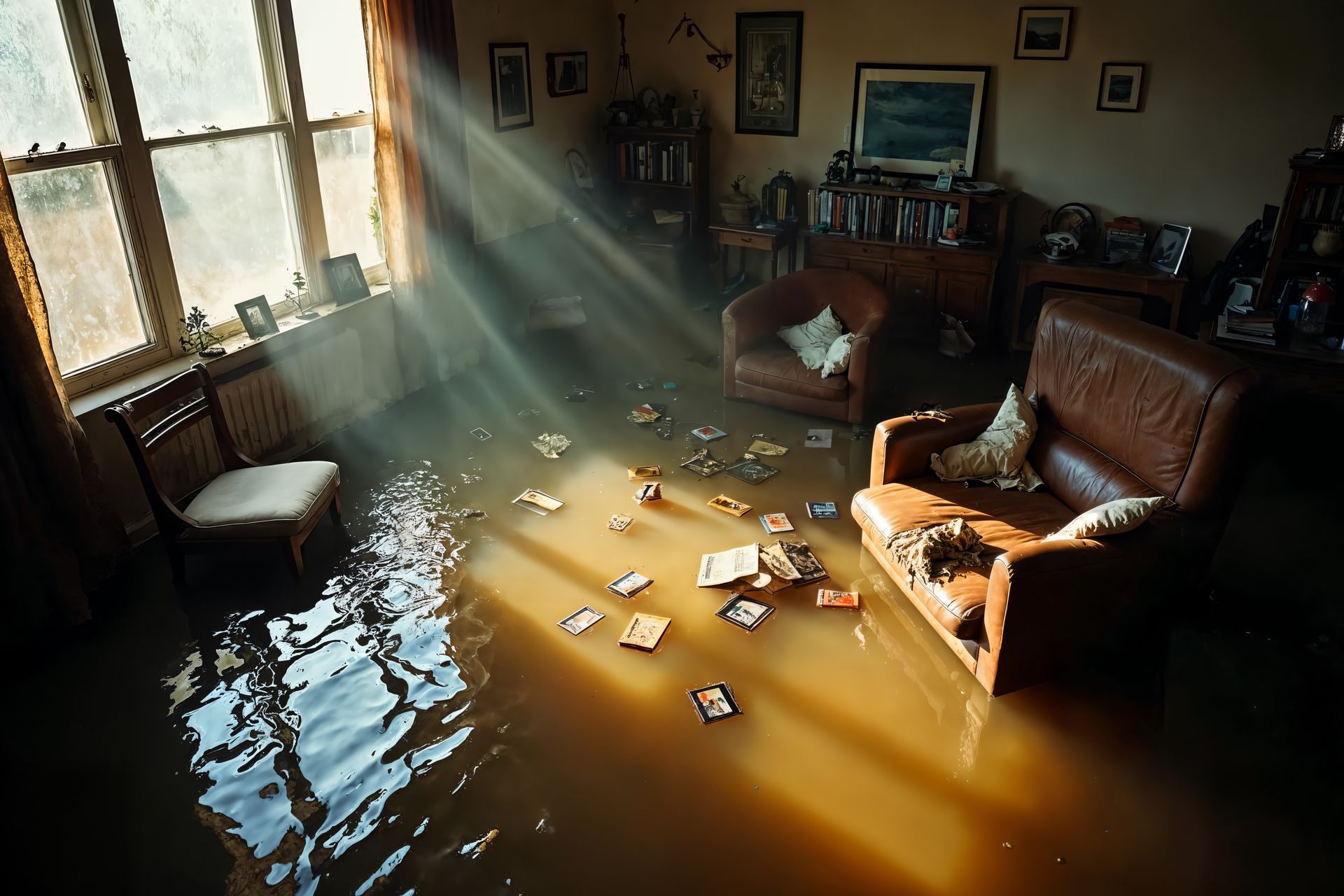
Not all water damage is obvious right away. In many homes, the most serious moisture problems are the ones you cannot fully see at first. A small stain on the ceiling or a faint musty smell may seem harmless, but those early warning signs can point to hidden water damage developing behind the scenes.
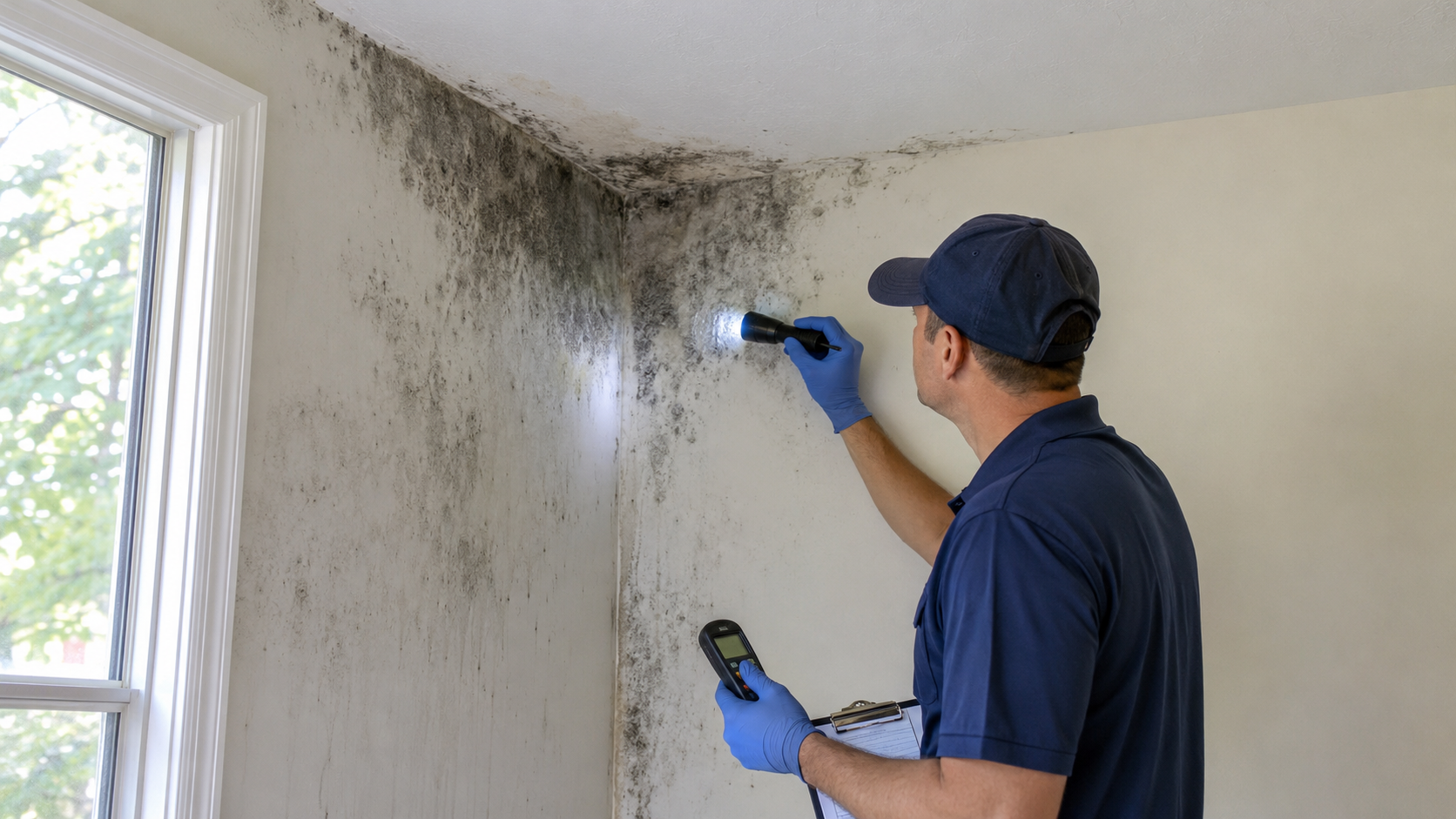
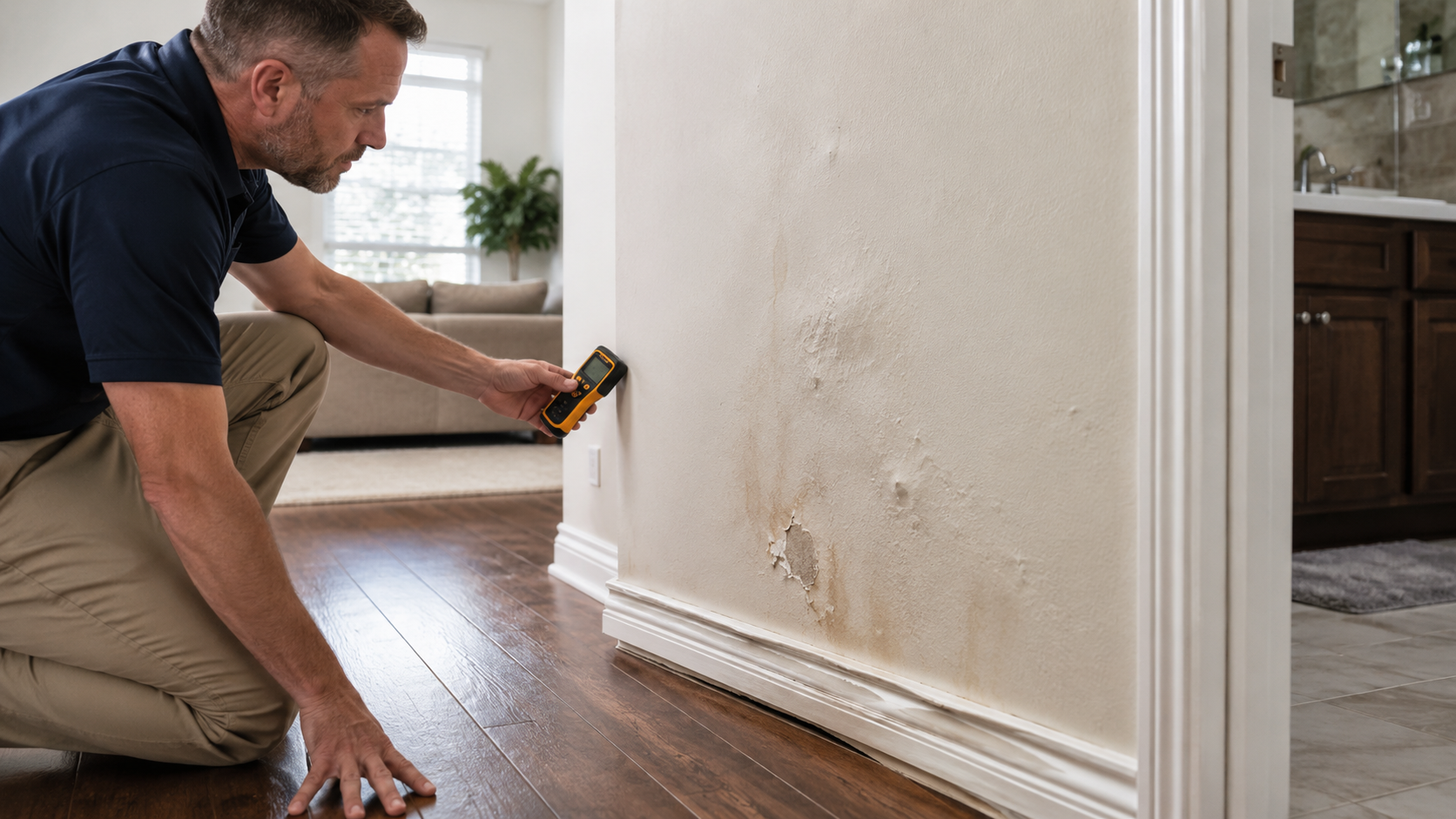
One common sign is discoloration on walls or ceilings. Brown, yellow, or copper-colored stains often indicate that water has been leaking and soaking into building materials over time. Even if the area feels dry to the touch, the source of the moisture may still be active or may have left trapped water behind.
Peeling paint or bubbling drywall is another sign homeowners should not ignore. When moisture gets into walls, it can cause paint to lose adhesion and drywall to swell or soften. This kind of damage is especially common near plumbing lines, around windows, below bathrooms, or under roofing trouble spots.
Flooring can also reveal hidden water damage. Wood floors may start to cup, laminate can lift at the seams, and carpet may feel damp or develop an odor. In some cases, tile may loosen because moisture has affected the material below it. These changes often happen gradually, which is why people sometimes overlook them until the problem becomes harder to ignore.
Musty odors are another major clue. If a room smells damp even after cleaning, there may be hidden moisture in the walls, under the floor, or in nearby materials. That smell is often one of the first signs that water damage has been sitting longer than it should.
Homeowners should also watch for changes in cabinets, trim, and baseboards. Warping, swelling, cracking, or soft spots can all suggest water has reached areas that are not normally exposed. The same is true for areas around sinks, water heaters, washing machines, dishwashers, and refrigerators.
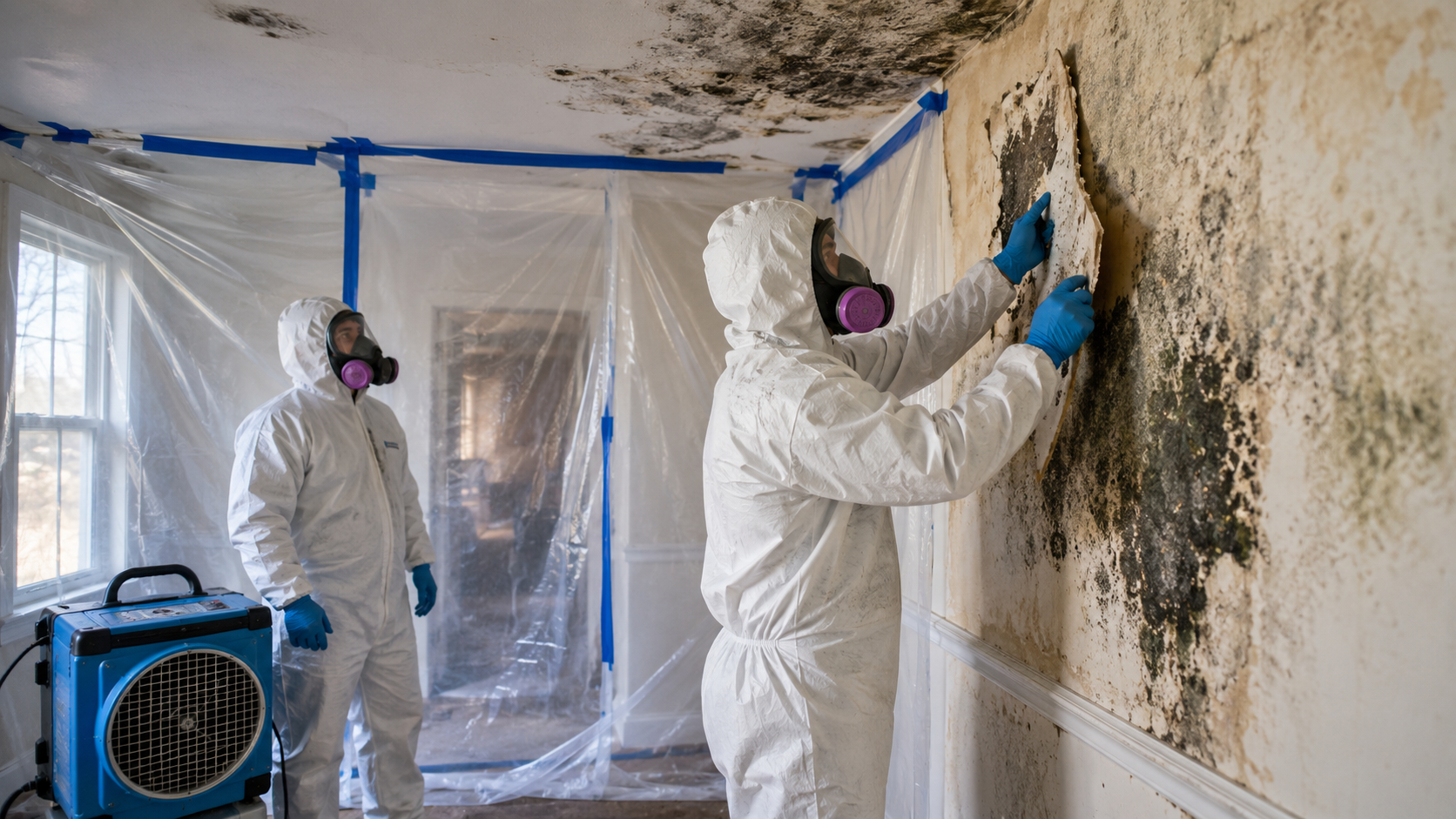
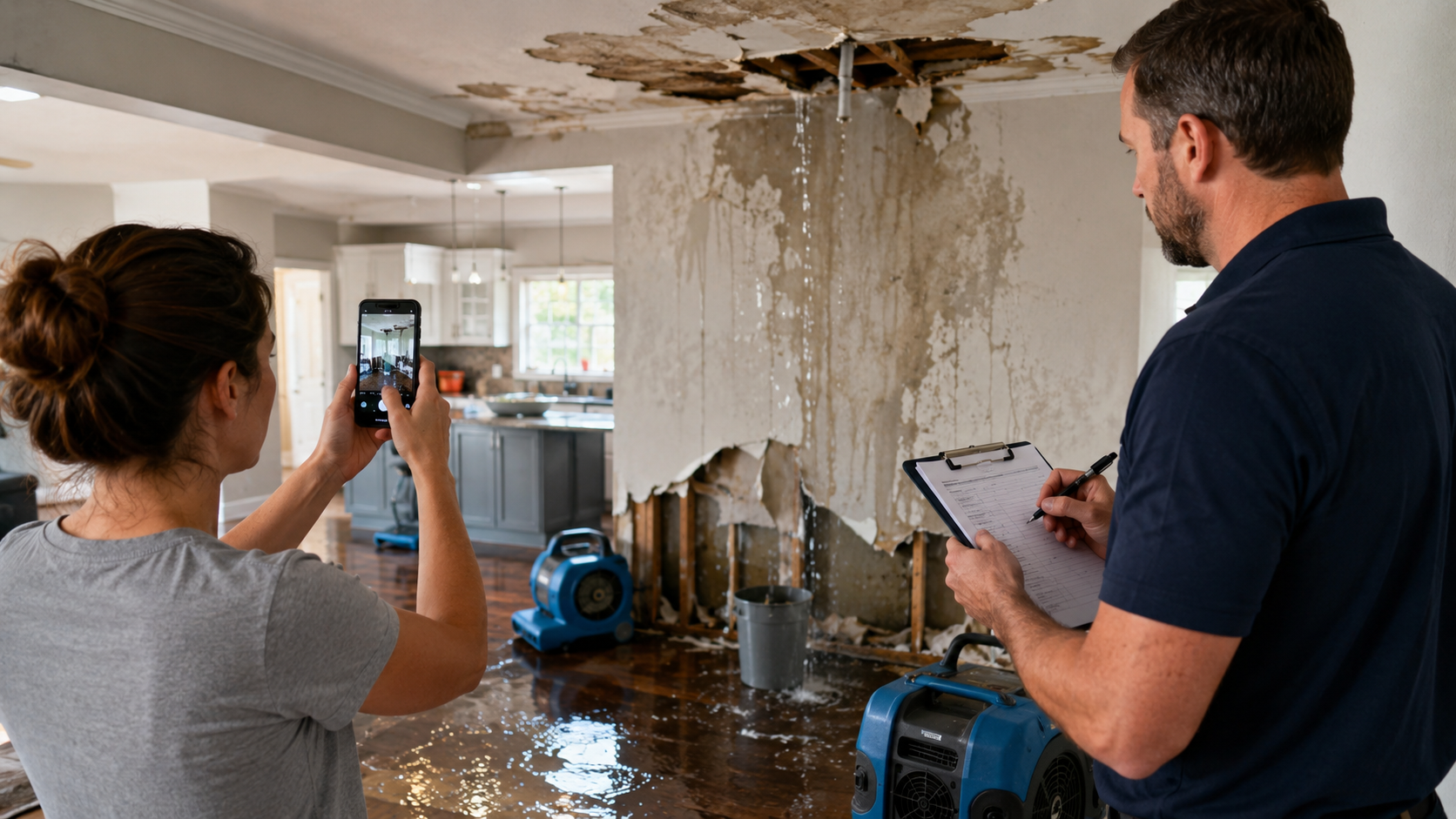
One of the reasons hidden water damage is so frustrating is that it often continues spreading while remaining mostly out of sight. A slow leak behind a wall may affect multiple materials before there is any major visible damage. By the time the issue is discovered, the repairs may involve not just cleanup, but removal and replacement of damaged materials as well.
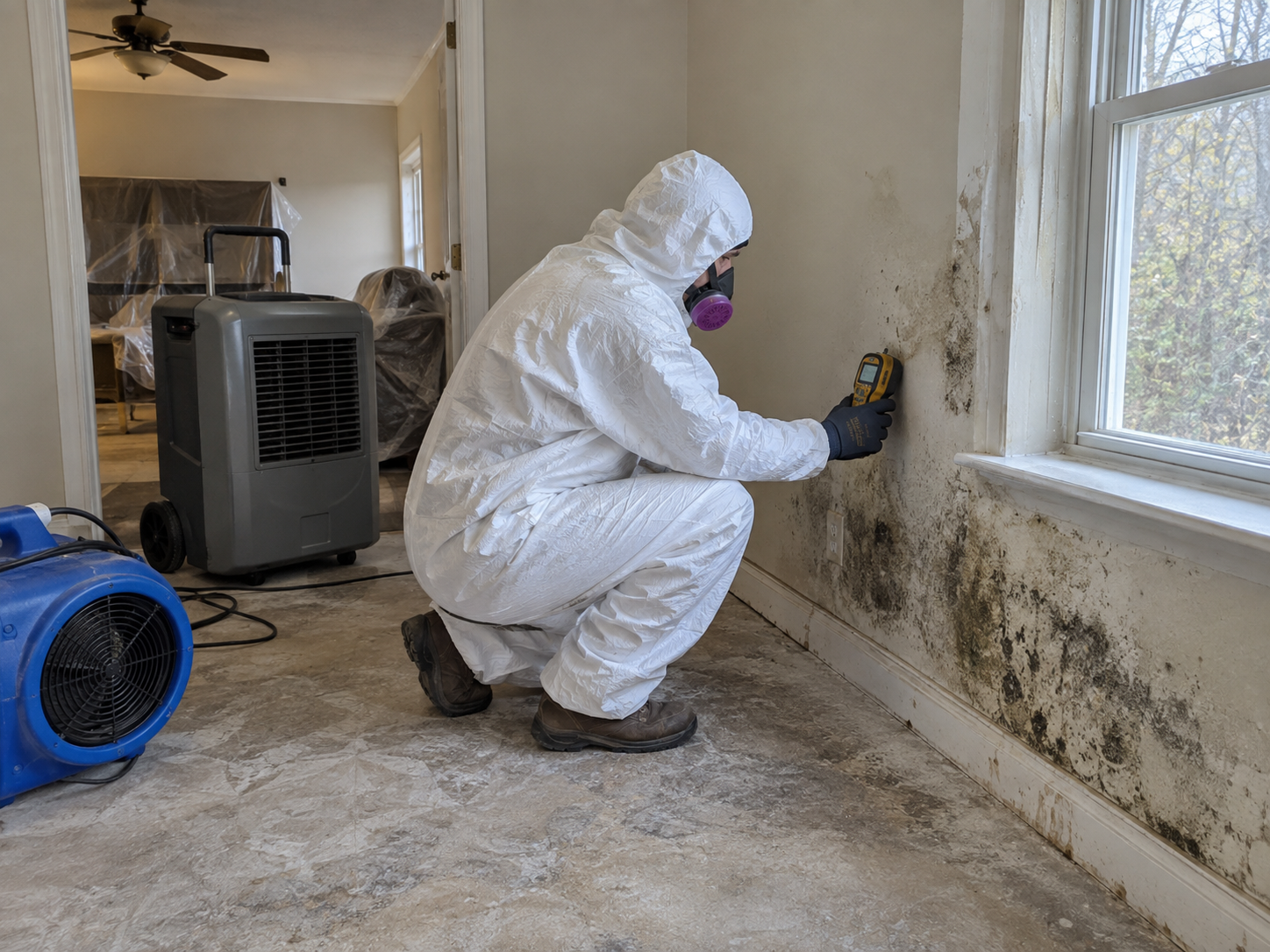
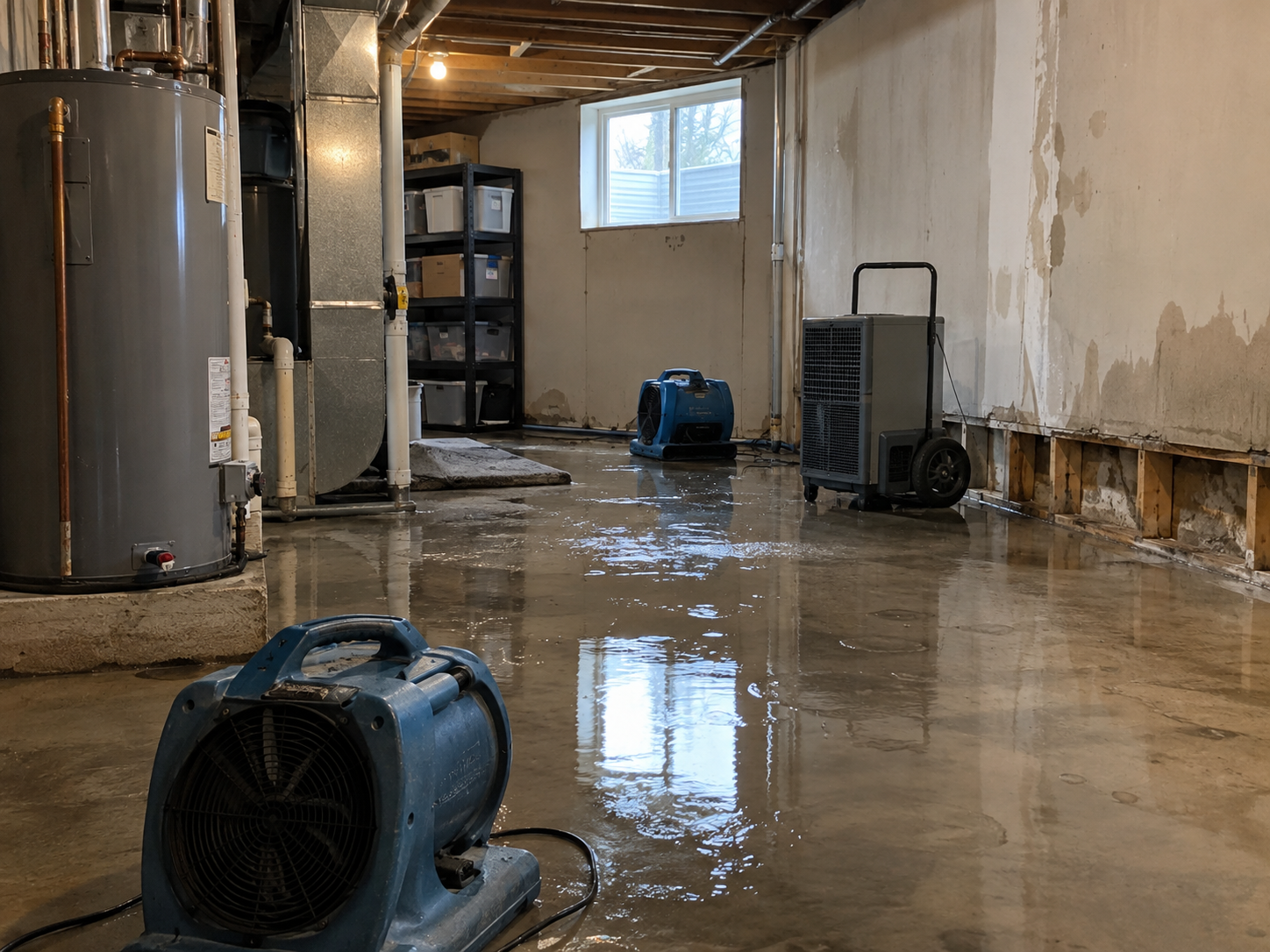
That is why professional inspection and drying are so important after any known leak or flood event. Even if the area appears to have dried, moisture can remain trapped where homeowners cannot detect it without the right tools and experience. Surface dryness does not always mean the structure is fully dry.
If your home has had a leak, overflow, roof issue, or plumbing problem, it is worth paying attention to the subtle signs. Hidden water damage rarely improves on its own. Catching it early can help prevent bigger structural issues and reduce the chances of long-term problems inside the home.