
Fire Damage Restoration in Zeeland, MI
Fire Damage Restoration in Zeeland, MI:
What to Do After a House Fire (and What Happens Next)
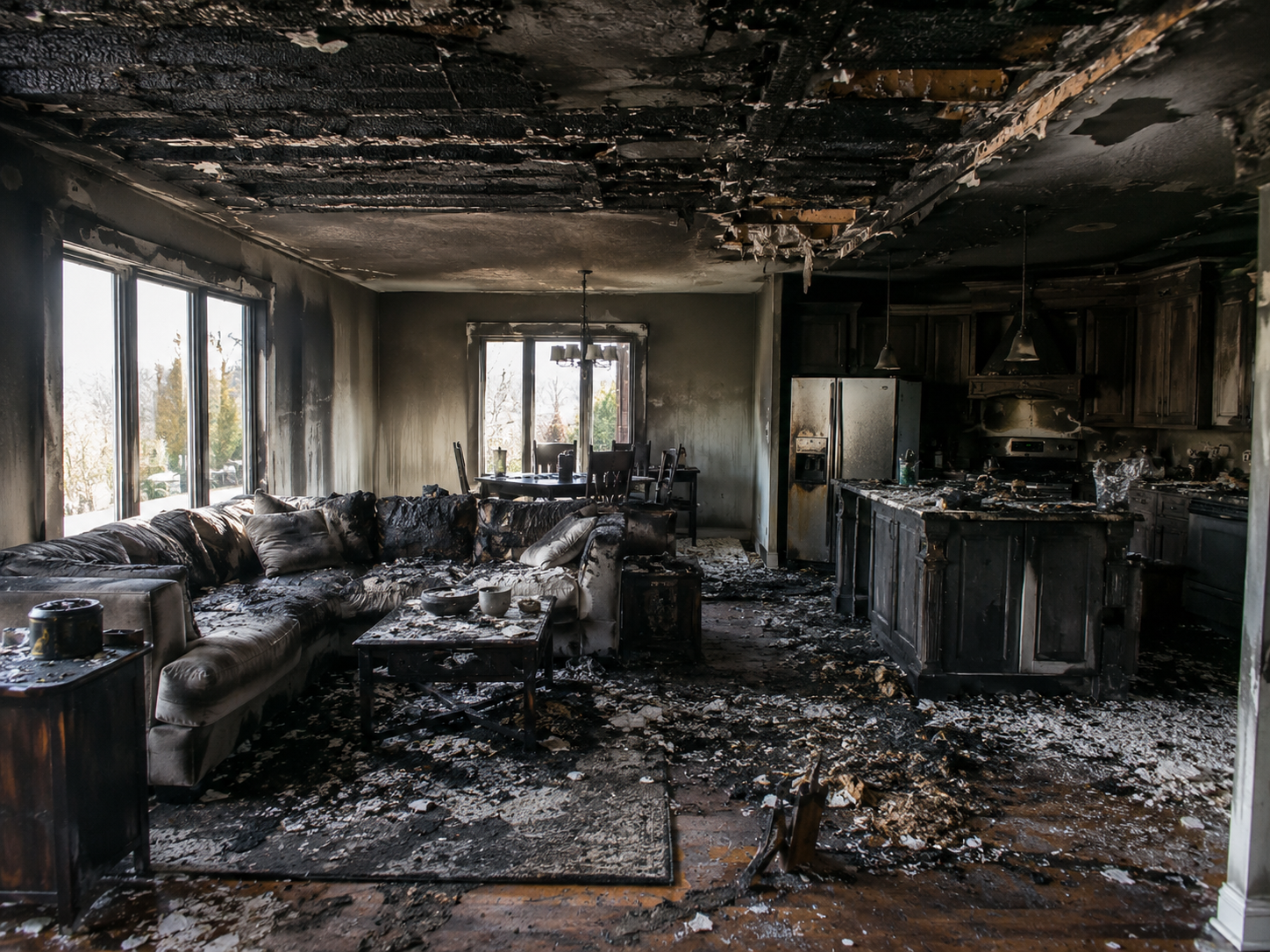
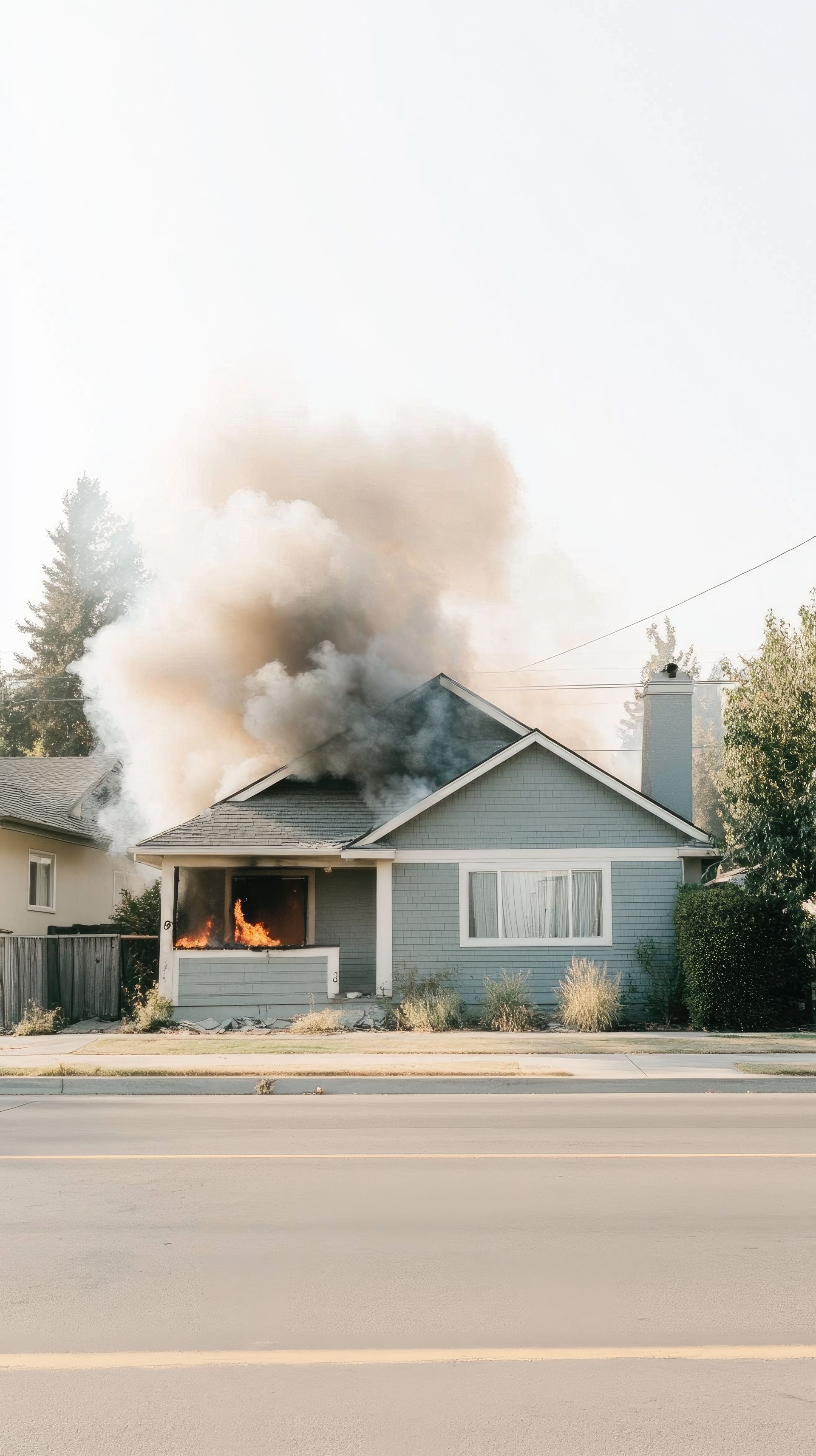
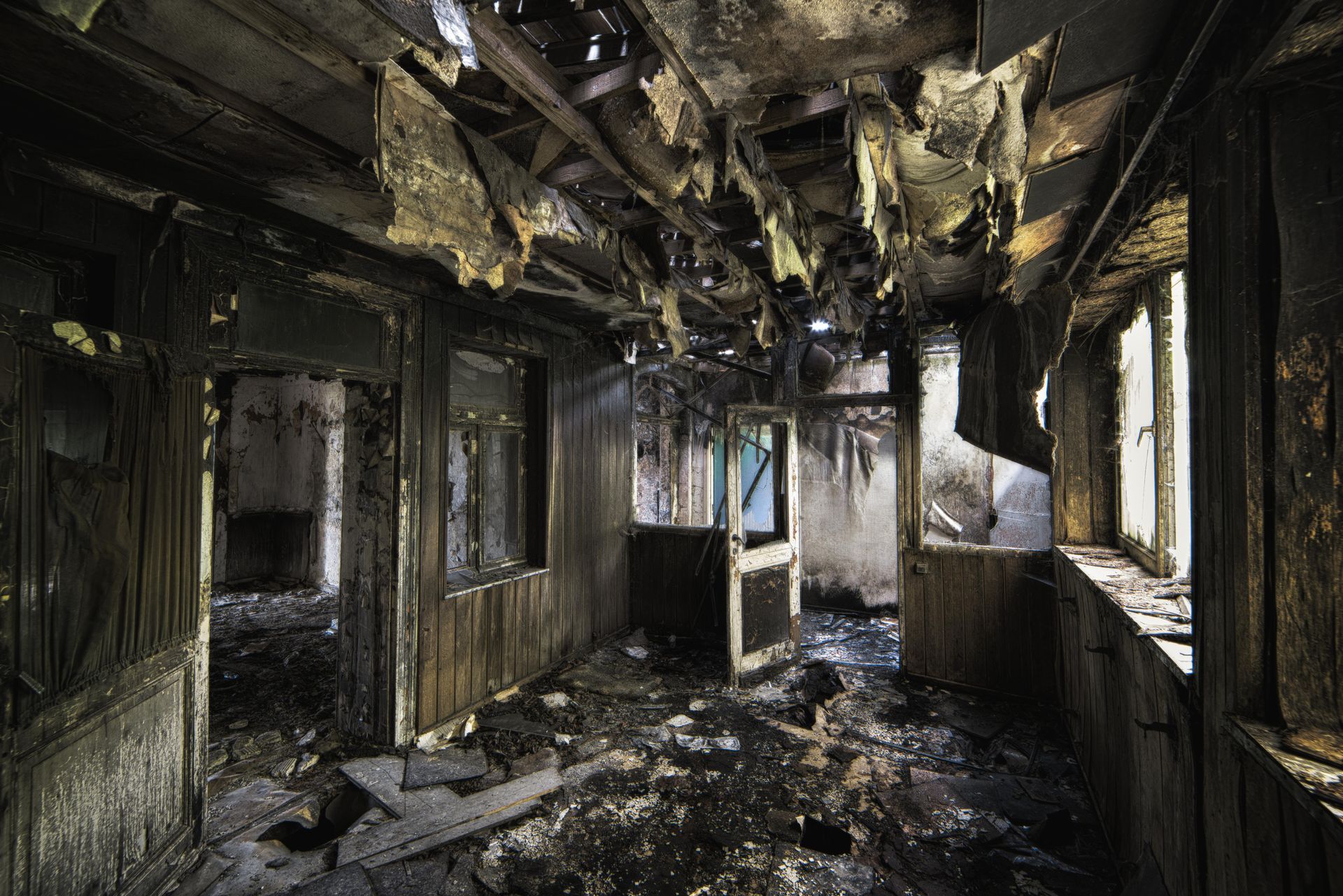
A house fire is overwhelming—even when the flames are out. What many property owners don’t realize is that fire damage doesn’t stop at burned materials. Smoke, soot, and heat can impact walls, insulation, flooring, contents, and indoor air quality. The best outcomes come from a clear plan: secure the property, document the damage, and begin professional fire damage restoration before smoke residue spreads further.
Restoration 1 of Lakeshore provides fire and smoke damage restoration services and notes they’re available 24/7 when you need help.
Step 1: Safety first (before cleanup starts)
After a fire, re-entry should only happen when it’s safe. Even small fires can create hazards like:
- Weakened building materials
- Electrical risks from heat or water used to extinguish flames
- Sharp debris and unstable surfaces
- Smoke residue that can irritate breathing
If you’re allowed back inside, avoid touching soot-covered surfaces. Soot can smear and embed deeper into materials, making restoration harder.
Step 2: Prevent secondary damage (the hidden cost of fire)
Fire damage often comes with secondary damage:
- Smoke and soot settling into porous materials
- Odors absorbing into drywall, carpet, and insulation
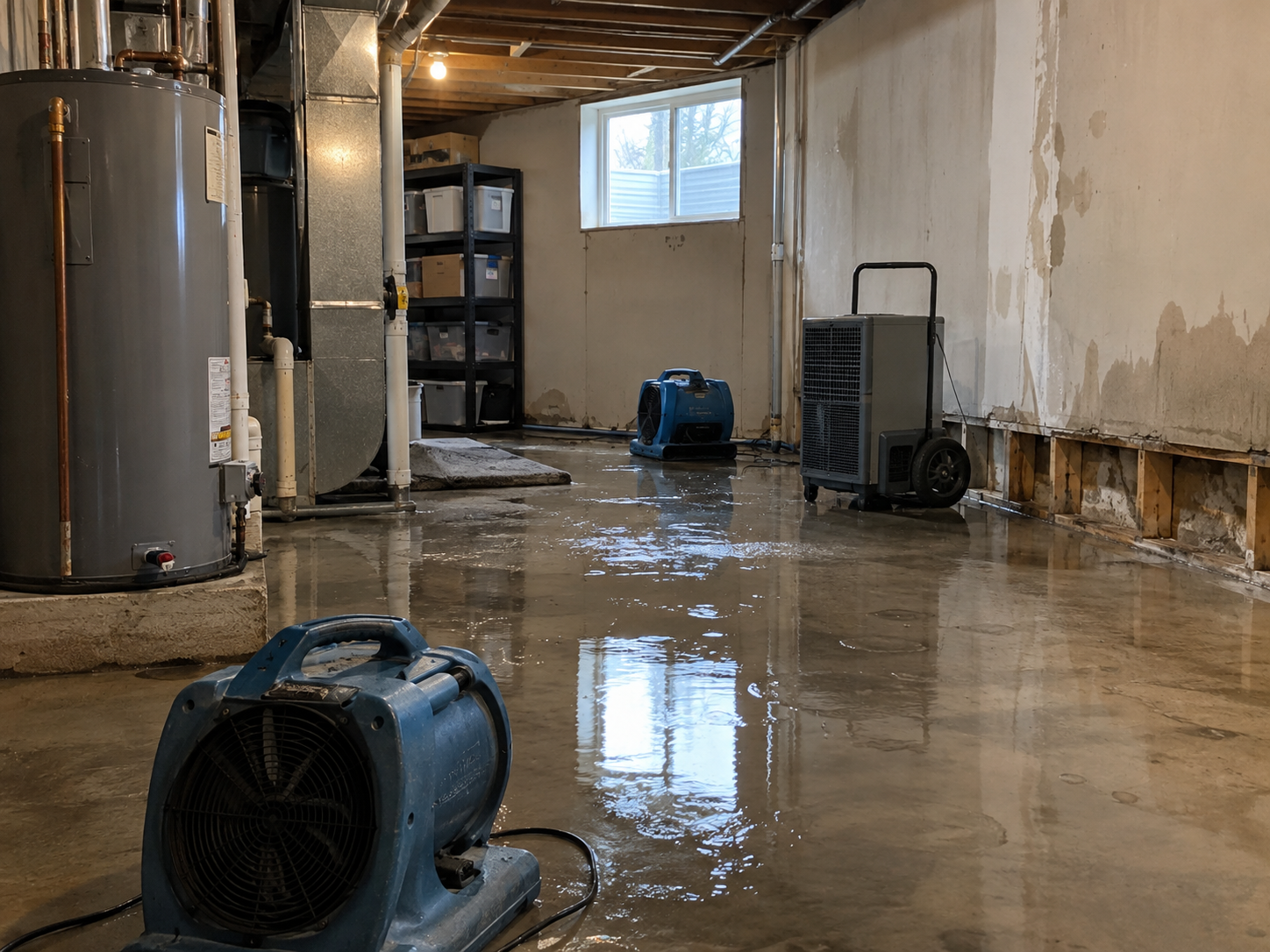
- Water damage from firefighting efforts
- Corrosion from soot residues on metal fixtures and electronics
This is why professional fire damage restoration is more than removing debris—it’s a structured process designed to clean, deodorize, and restore the property.
Step 3: Document everything for insurance
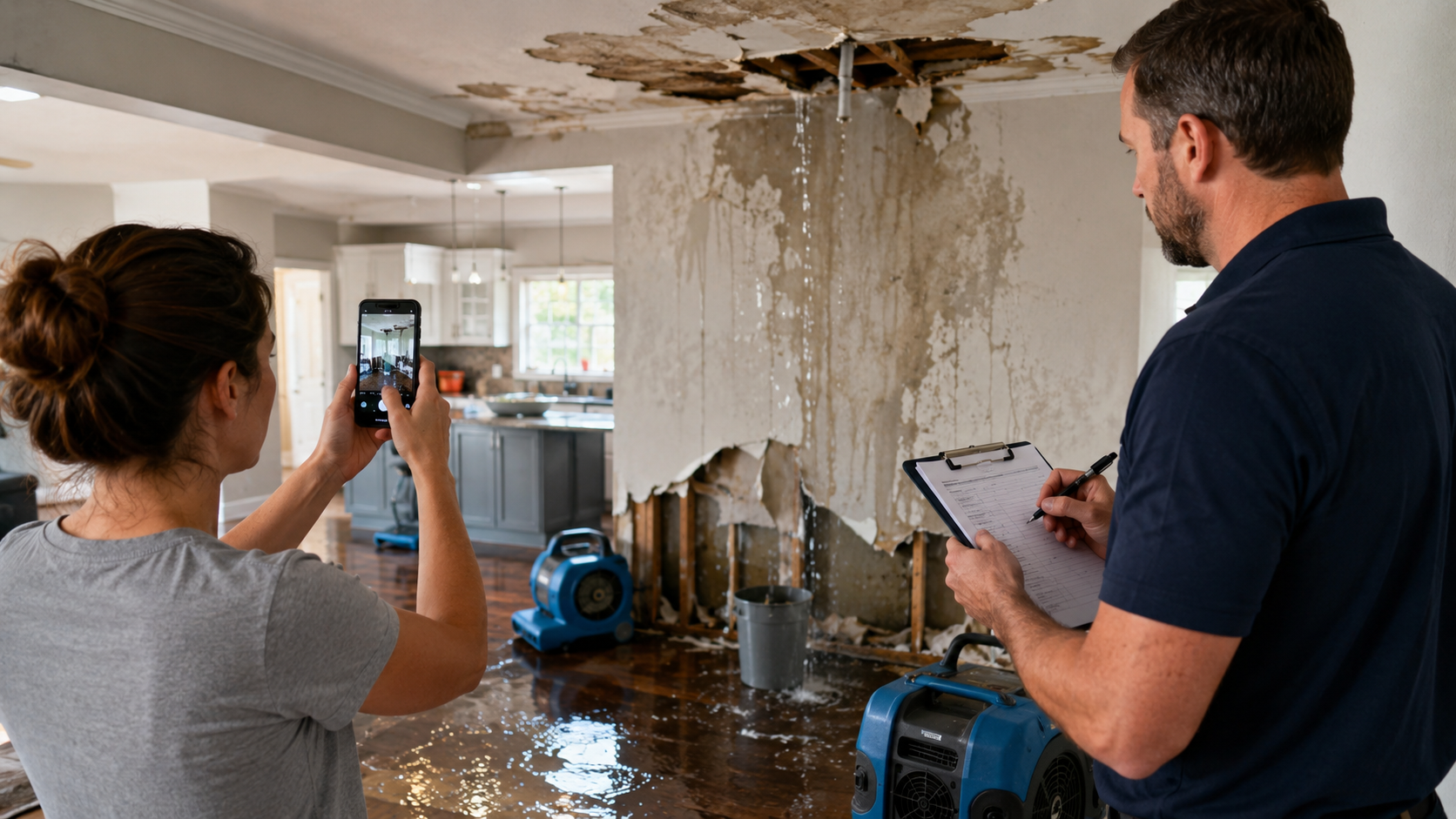
Before major materials are removed, document the fire damage thoroughly:
- Wide photos of each room
- Close-ups of burned areas, soot staining, and smoke residue
- Damaged contents (furniture, clothing, electronics)
- Any water damage from suppression efforts
A clear record helps support the full scope of restoration work needed.
Step 4: What professional fire damage restoration should include
A reputable fire damage restoration process typically includes:
1) Inspection and damage assessment
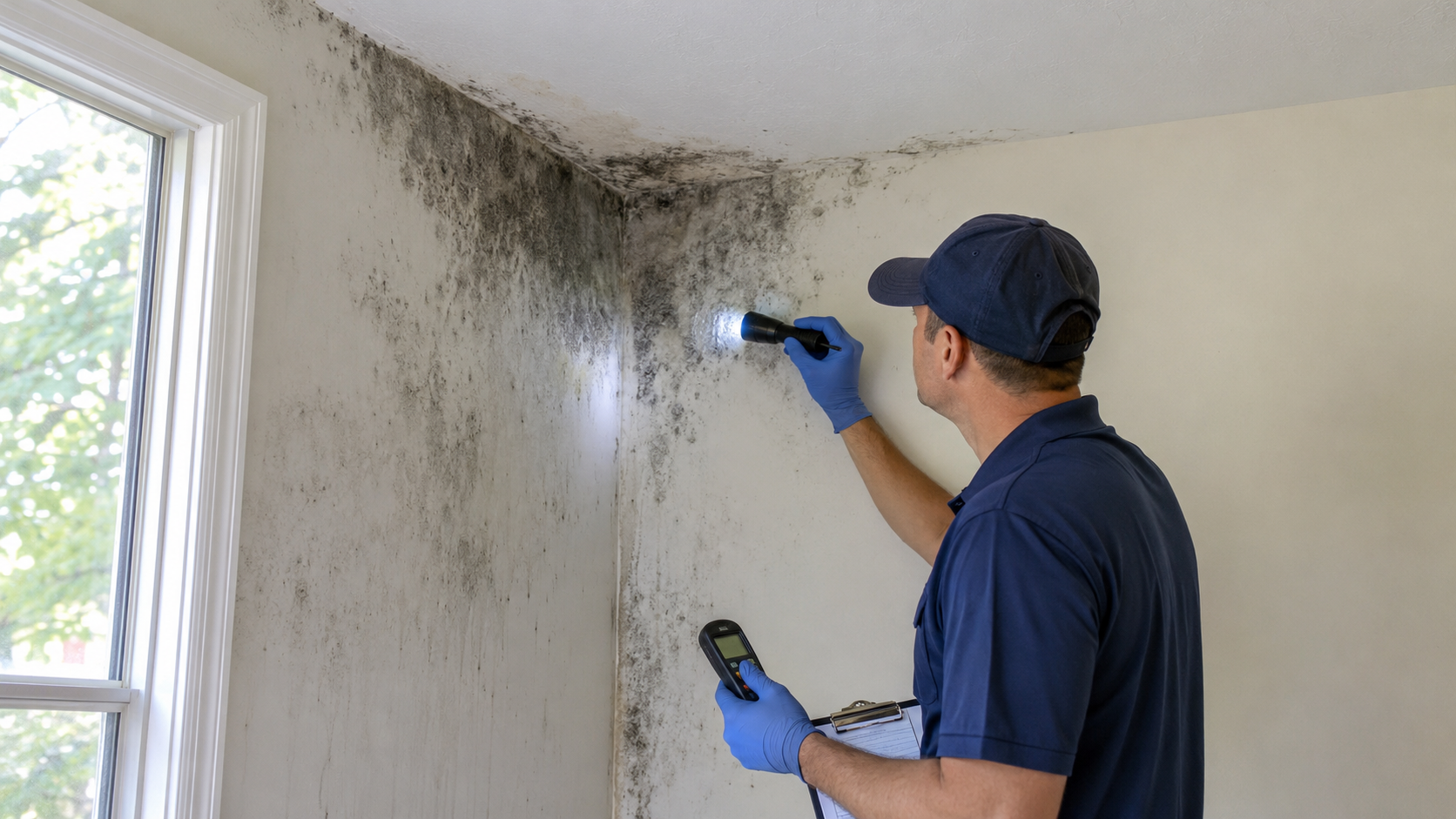
Teams identify burn patterns, soot spread, and smoke pathways throughout the property.
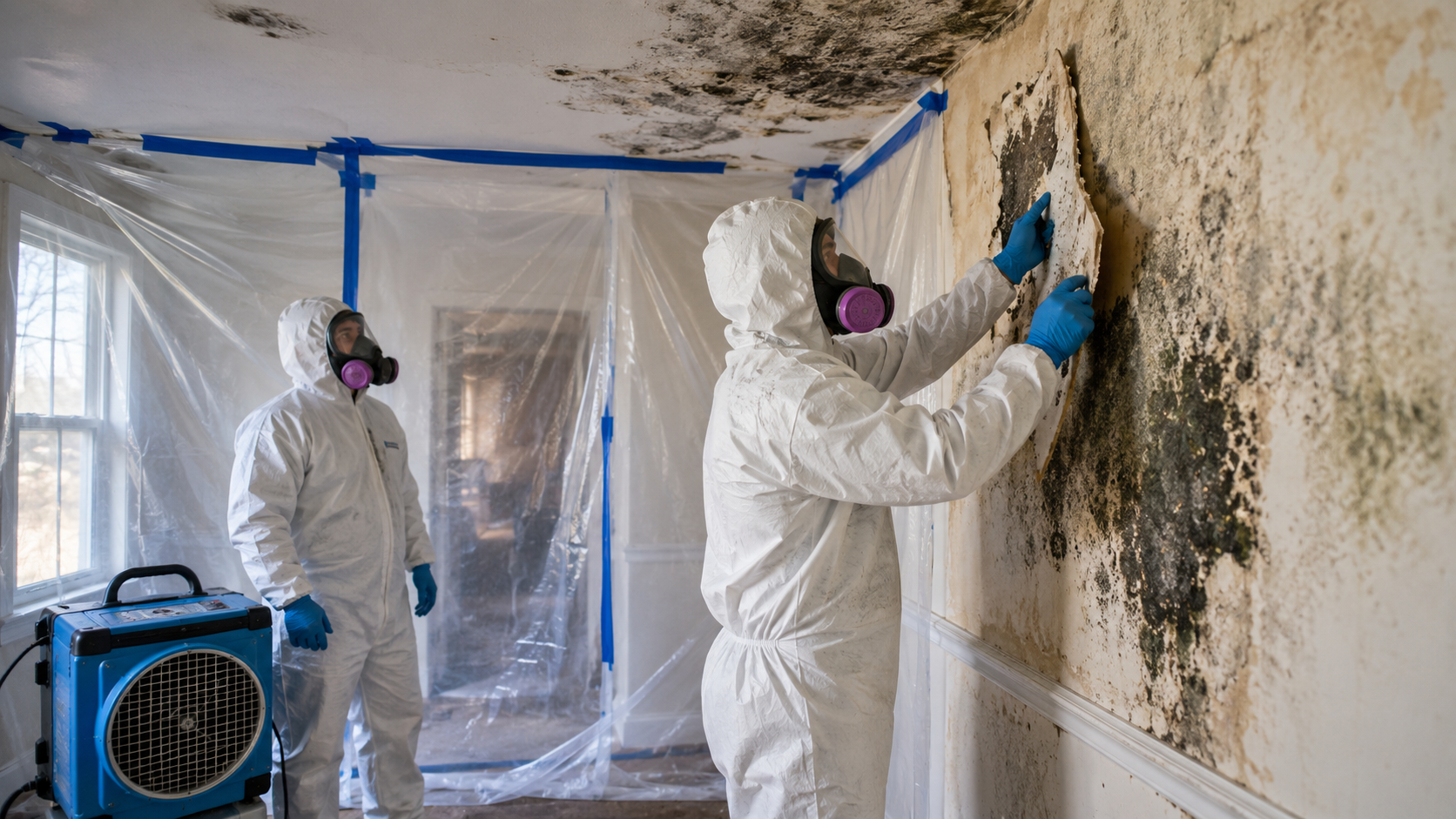
2) Soot removal and smoke cleanup
Smoke can leave behind toxins and residue that damage surfaces and contents if not treated quickly. Restoration 1 of Lakeshore lists services that include
soot removal and
content cleaning as part of restoring fire-damaged property.
3) Odor elimination
Smoke odor is one of the most stubborn parts of fire damage. Restoration 1 of Lakeshore describes odor neutralization as part of their fire remediation approach.
4) Air purification / indoor air quality restoration
Fire residue can affect breathing comfort long after the flames. Restoration 1 of Lakeshore specifically references
air purification and a remediation process that includes
air scrubbing with HEPA filtration.
5) Repairs and rebuild
After cleaning and deodorizing, restoration shifts to repairing or replacing damaged building materials to return the home to pre-loss condition. Restoration 1 of Lakeshore notes their smoke and fire specialists restore properties “inside and out” to pre-loss condition.
When to call for fire damage restoration help
You’ll usually want professional help immediately if you have:
- Heavy soot staining on walls/ceilings
- Smoke odor throughout the home
- HVAC exposure to smoke (vents, returns, ductwork)
- Fire suppression water damage
- Any uncertainty about structural safety
If your home experienced fire damage or lingering smoke odor, request service through Restoration 1 of Lakeshore to start the fire damage restoration process and prevent further damage.