
Mold Removal in Spring Lake, MI
Mold Removal in Spring Lake, MI: Signs Moisture May Be Causing a Hidden Mold Problem
Mold does not always begin as a large patch on a bathroom wall.
Sometimes the first warning is a musty smell.
Other times it appears as discoloration around a window, staining underneath a sink, or damage behind baseboards after an old plumbing leak.
For homeowners and businesses in Spring Lake, Michigan, recognizing the relationship between moisture and mold can help prevent a small affected area from becoming a much larger restoration project.
Restoration 1 of the Lakeshore provides mold removal and remediation in Spring Lake along with water, fire, sewage, and flood restoration services.
Mold Usually Starts With Moisture
When mold appears, there is generally a moisture source somewhere nearby.
Common causes can include:
- Leaking pipes
- Roof leaks
- Basement water
- Appliance leaks
- Sump pump problems
- Window leaks
- Storm damage
- Plumbing overflows
- High indoor moisture
- Previous flooding
Removing visible mold without correcting the moisture problem can leave the underlying cause unresolved.
That is why professional mold removal in Spring Lake should include looking for the source of the moisture, not simply cleaning the visible surface.
Signs Your Home May Have Mold
Visible mold is one obvious sign, but it is not the only warning.
Watch for:
Musty Odors
A persistent musty or earthy smell can indicate moisture or mold in an area that is not immediately visible.
Wall or Ceiling Stains
Discoloration can be associated with past or ongoing moisture problems.
Peeling or Bubbling Paint
Moisture behind a finished surface can cause paint or drywall materials to deteriorate.
Recurring Dampness
If one area repeatedly feels damp or develops condensation, there may be an unresolved moisture issue.
Past Water Damage
Homes that have experienced leaks, flooding, storm intrusion, appliance failures, or basement water may develop mold if affected materials were not completely dried.
Restoration 1 of the Lakeshore specifically notes musty odors, stains, damp materials, and previous water damage among conditions that may warrant professional mold evaluation.
Mold Can Grow Where You Cannot See It
The visible portion of mold growth may not show the full extent of the issue.
Moisture can become trapped:
- Behind drywall
- Under flooring
- Inside cabinets
- Behind baseboards
- In attics
- Around windows
- Inside wall cavities
- Near plumbing
For example, a slow plumbing leak beneath a kitchen sink may create mold behind the cabinet long before anything becomes visible from the front.
Similarly, roof water may enter an attic and affect insulation or ceiling materials without immediately appearing in a living space.
Why Surface Cleaning May Not Solve the Problem
Seeing mold often creates the temptation to wipe or spray the area and consider the problem finished.
But surface cleaning may only address what is immediately visible.
If moisture remains behind the material—or mold has affected porous materials—the problem may continue.
Professional mold remediation focuses on both the affected material and the moisture conditions contributing to the growth.
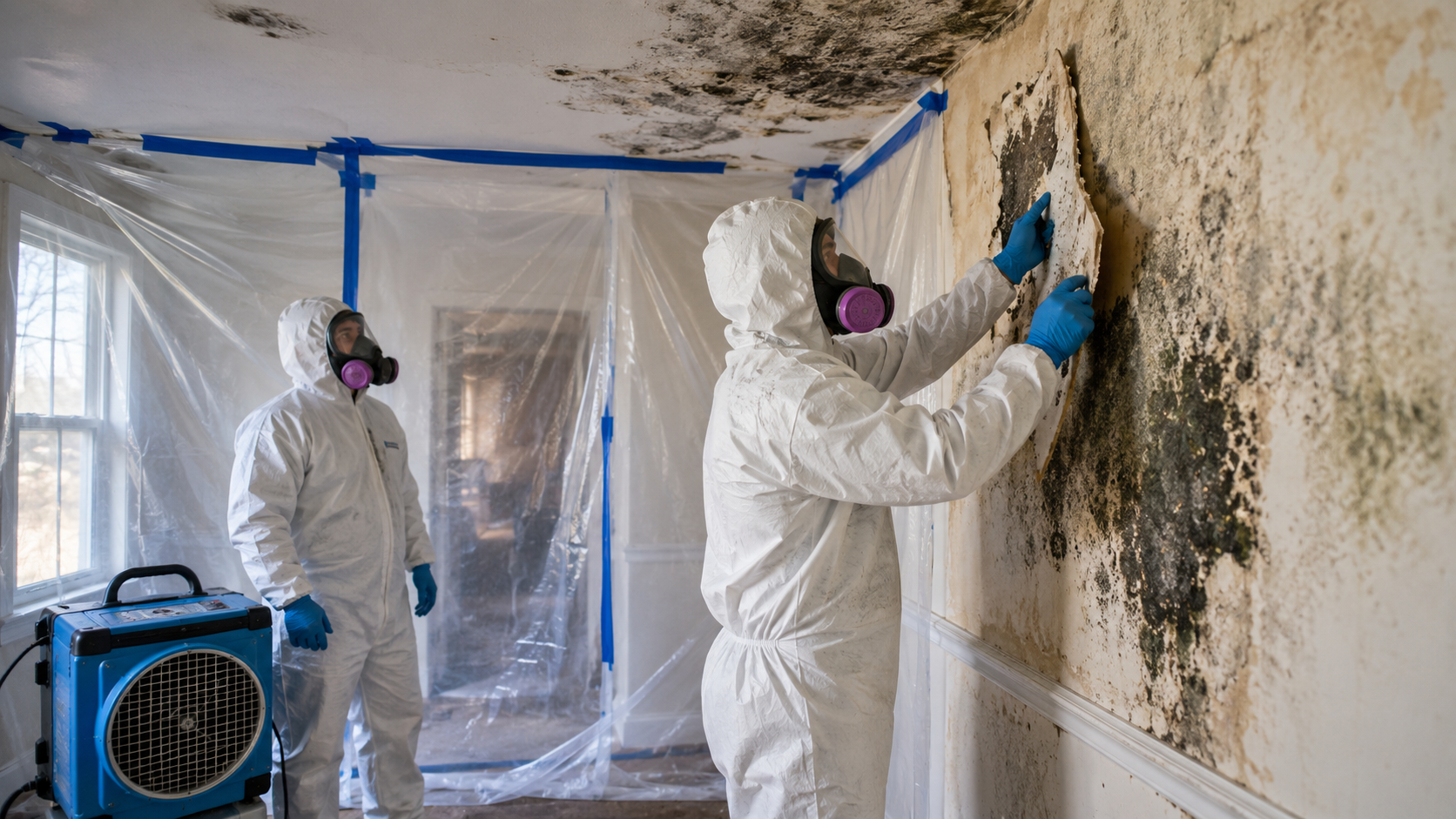
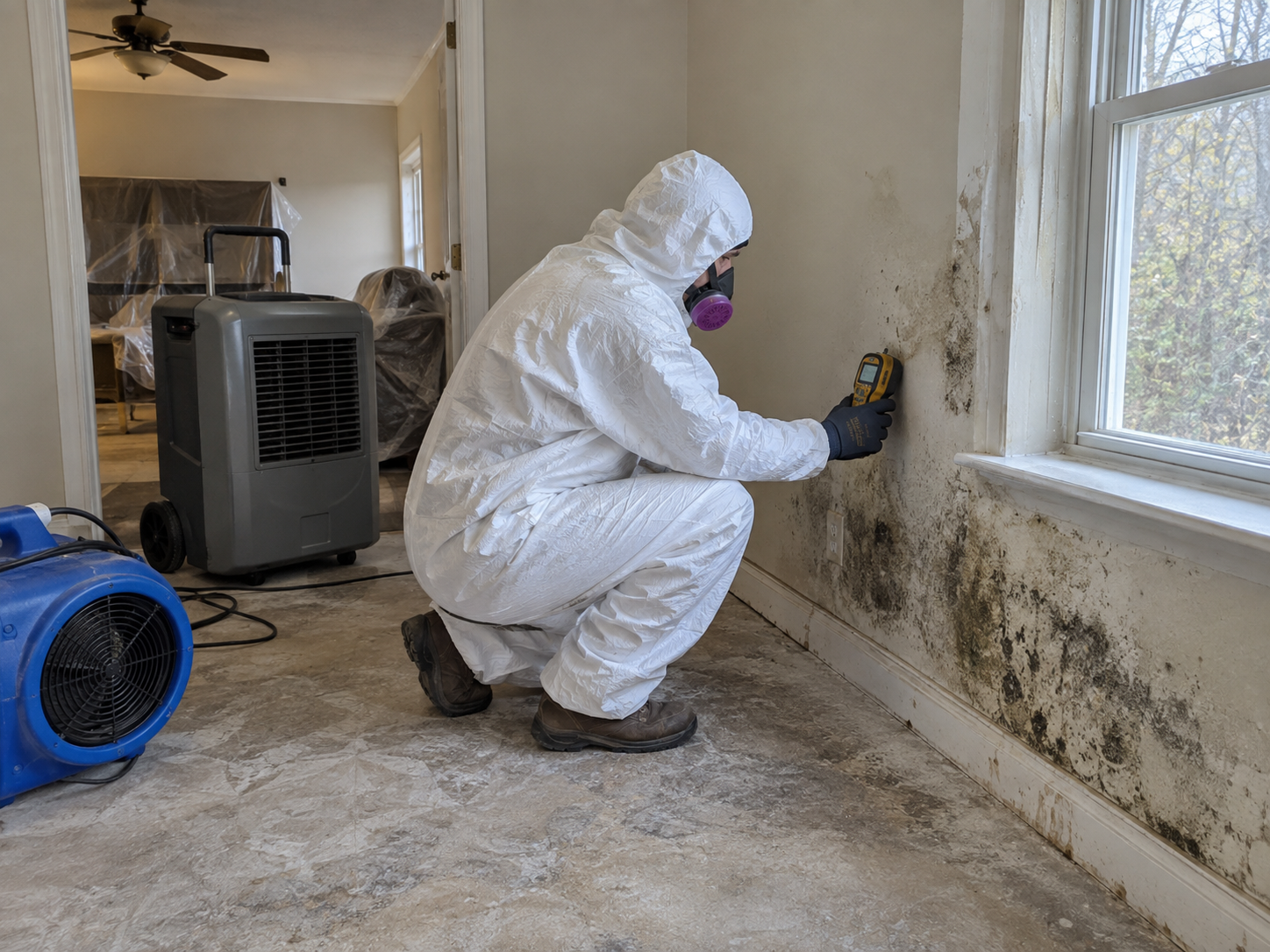
Restoration 1 of the Lakeshore describes its process as identifying moisture concerns, containing affected areas, removing damaged materials, cleaning contaminated surfaces, using air filtration when needed, and properly drying the space.
What Happens During Professional Mold Removal?
Every situation is different, but the process may include:
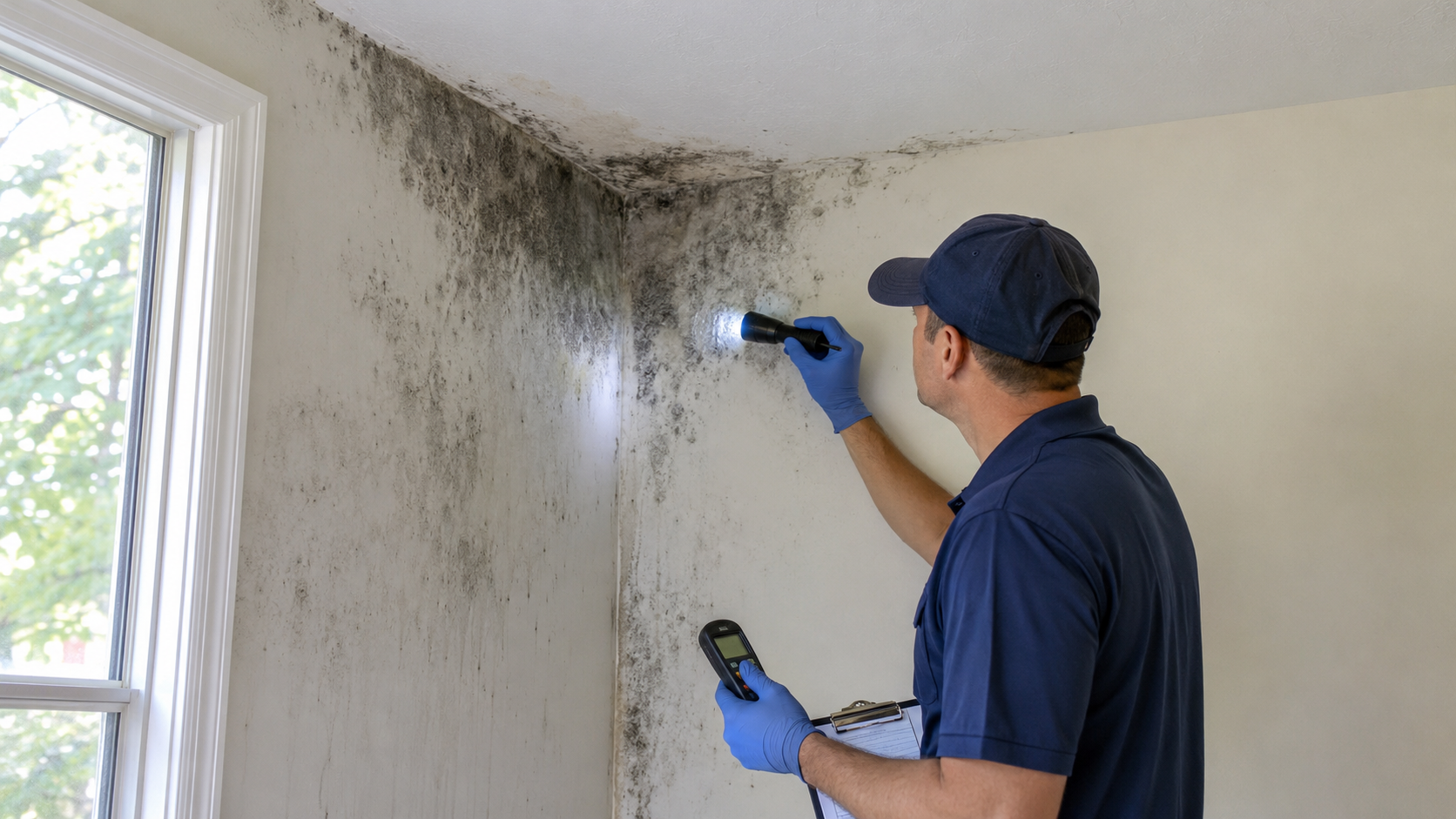
Inspection
The affected areas and potential moisture sources are evaluated.
Moisture Detection
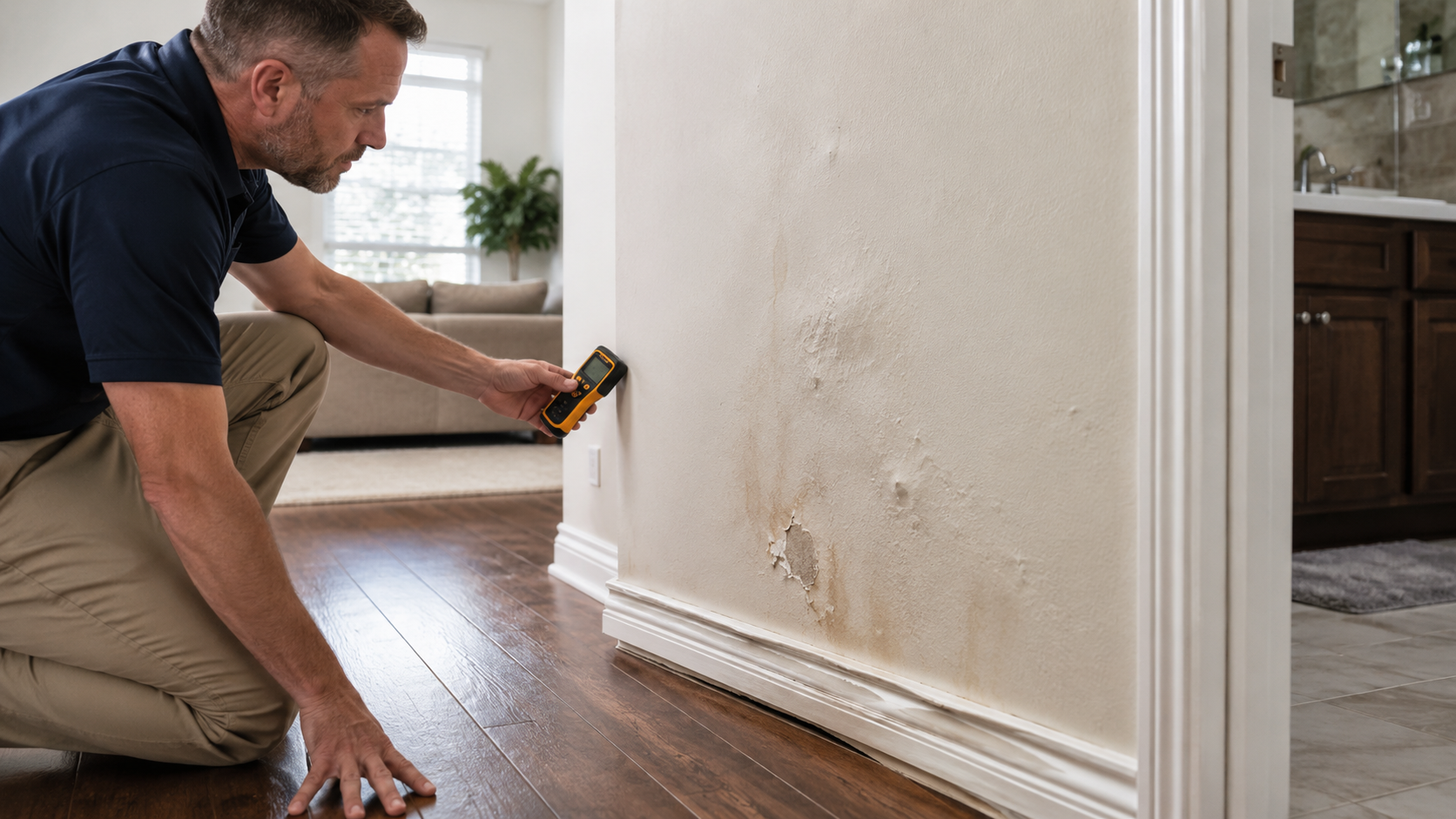
Technicians look for damp or hidden areas that may be contributing to the problem.
Containment
The work area may be isolated to help reduce the movement of mold spores during removal.
Removal of Damaged Materials
Some porous materials that are significantly affected may need to be removed rather than surface-cleaned.
Cleaning
Affected surfaces are professionally cleaned.
Air Filtration
Specialized filtration equipment may be used when appropriate.
Drying
The area must be properly dried so the moisture conditions that supported the problem are addressed.
Restoration
Materials removed during remediation may then need to be replaced or repaired.
Mold After Water Damage
One of the most important times to watch for mold is after a water loss.
That can include:
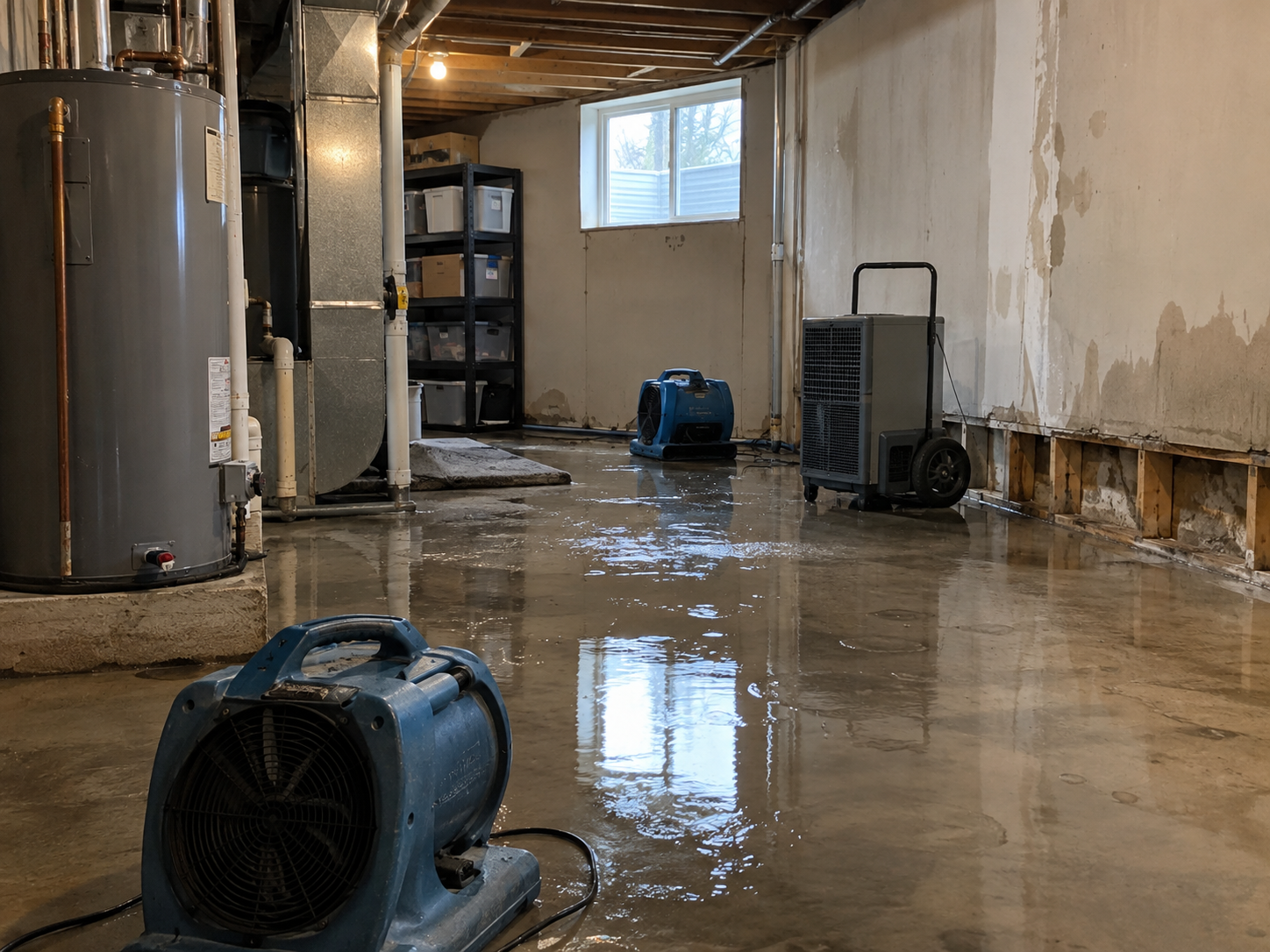
- Basement flooding
- Roof leaks
- Plumbing leaks
- Storm-related water intrusion
- Appliance leaks
- Overflowing fixtures
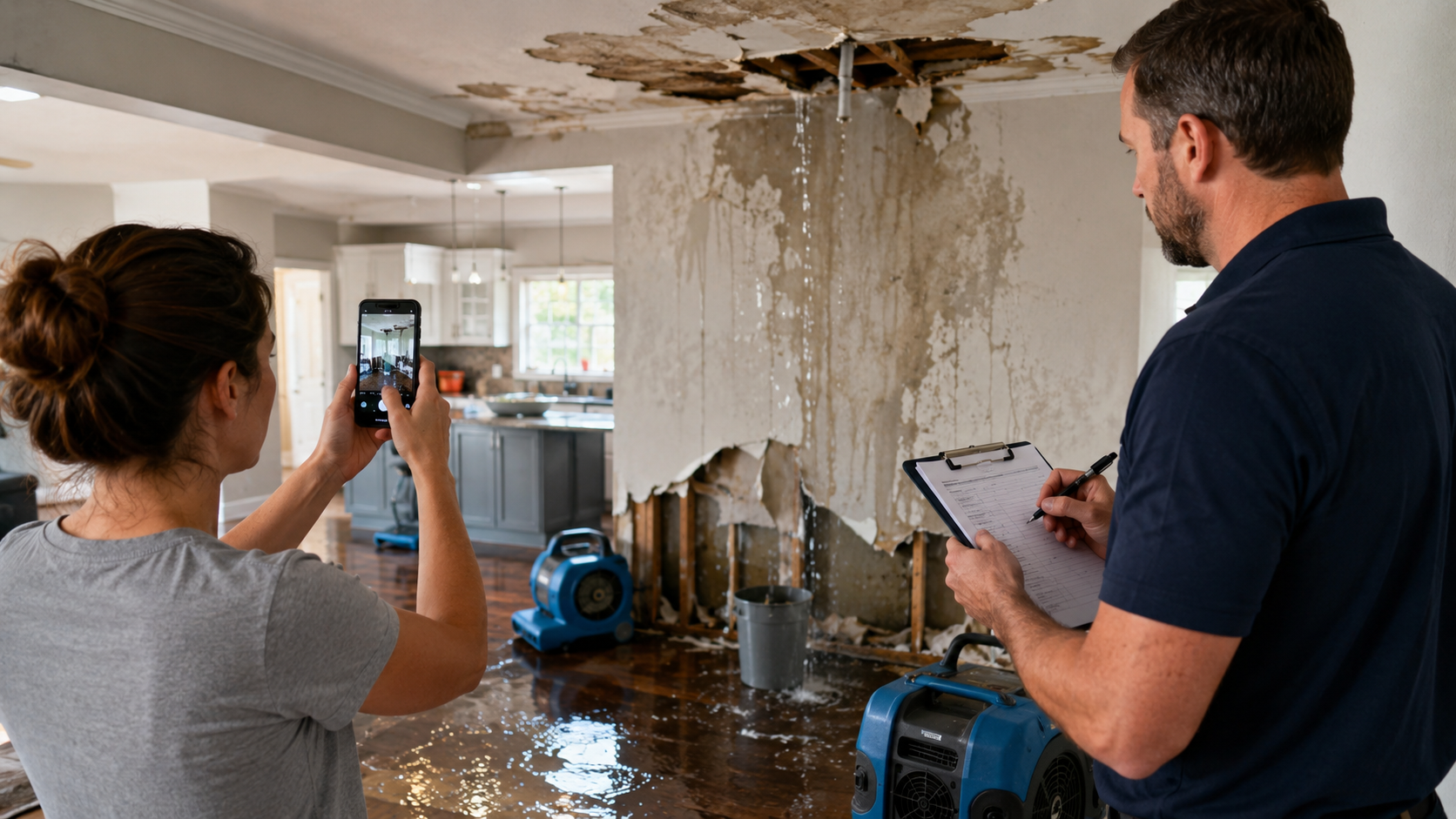
Even if standing water was removed quickly, moisture may have remained underneath flooring or behind finished surfaces.
If a musty odor or staining appears after previous water damage, it is worth investigating rather than assuming the problem will disappear on its own.
Basements and Other Damp Areas Need Extra Attention
Basements, utility rooms, bathrooms, laundry rooms, and other moisture-prone spaces may require additional attention.
Look around:
- Foundation walls
- Sump pump areas
- Water heaters
- Plumbing connections
- Floor drains
- Basement windows
- Finished drywall
Repeated moisture in the same location usually points to a problem that should be corrected before remediation is considered complete.
Don't Ignore Mold Behind Cabinets and Furniture
Mold often develops where air circulation is limited.
Large furniture, cabinets, or stored belongings placed against damp walls can conceal the problem.
If you notice a musty smell but cannot find visible mold, checking areas with a history of leaks or poor airflow can help narrow down the source.
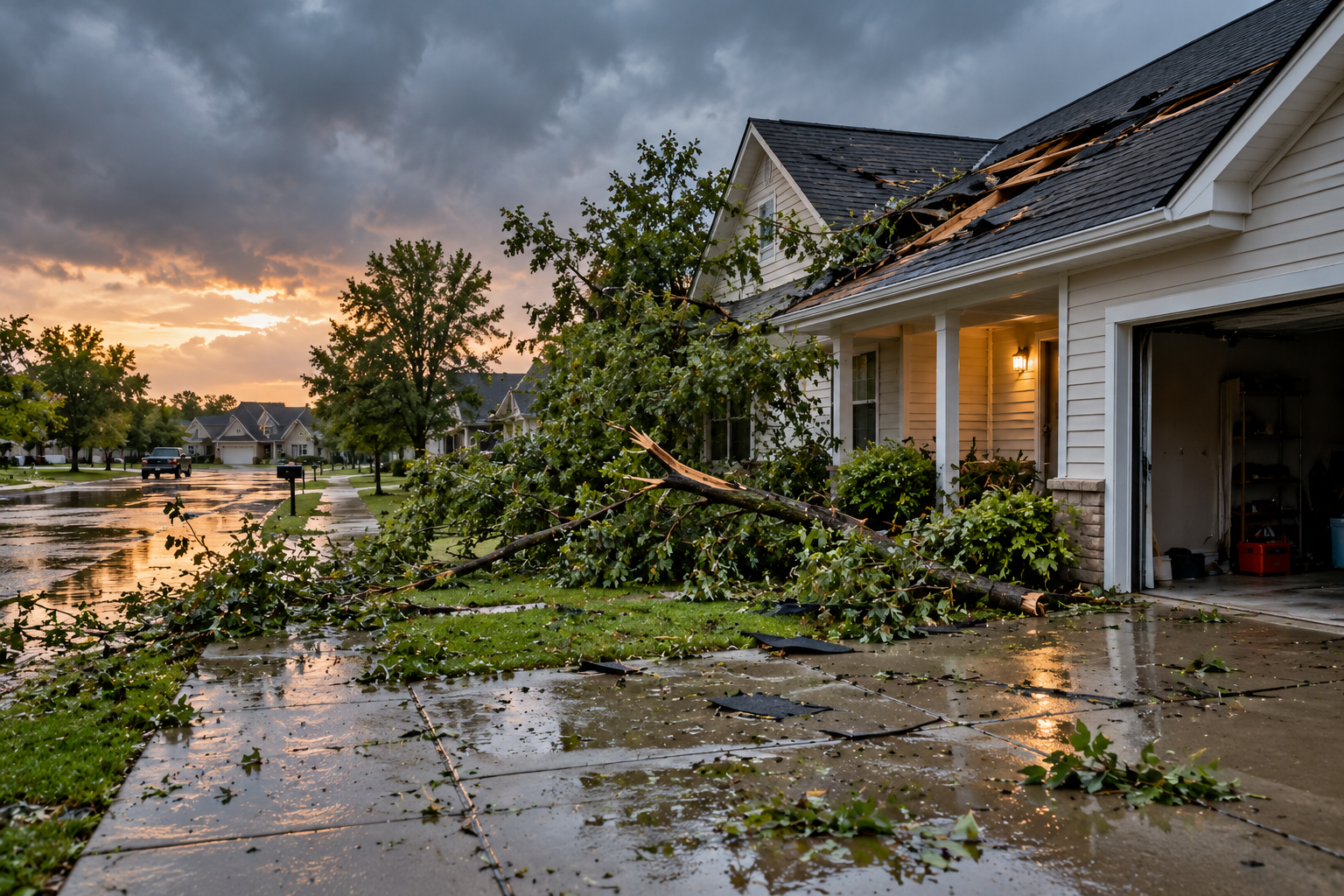
Mold Removal After Storm Damage
Storms can also create mold problems when water enters through damaged roofs, windows, siding, or basements.
A storm may last only a few hours, but moisture trapped inside a wall or attic can remain much longer.
This is another reason professional drying after storm or water damage can be important.
Why Professional Mold Removal Matters
Effective mold remediation is about more than improving how a wall looks.
The process should address:
- Where the moisture came from
- How far the moisture traveled
- Which materials were affected
- Whether damaged materials need removal
- How the area will be dried
- What restoration is needed afterward
Skipping the moisture source can allow the problem to return.
Mold Removal Services in Spring Lake, MI
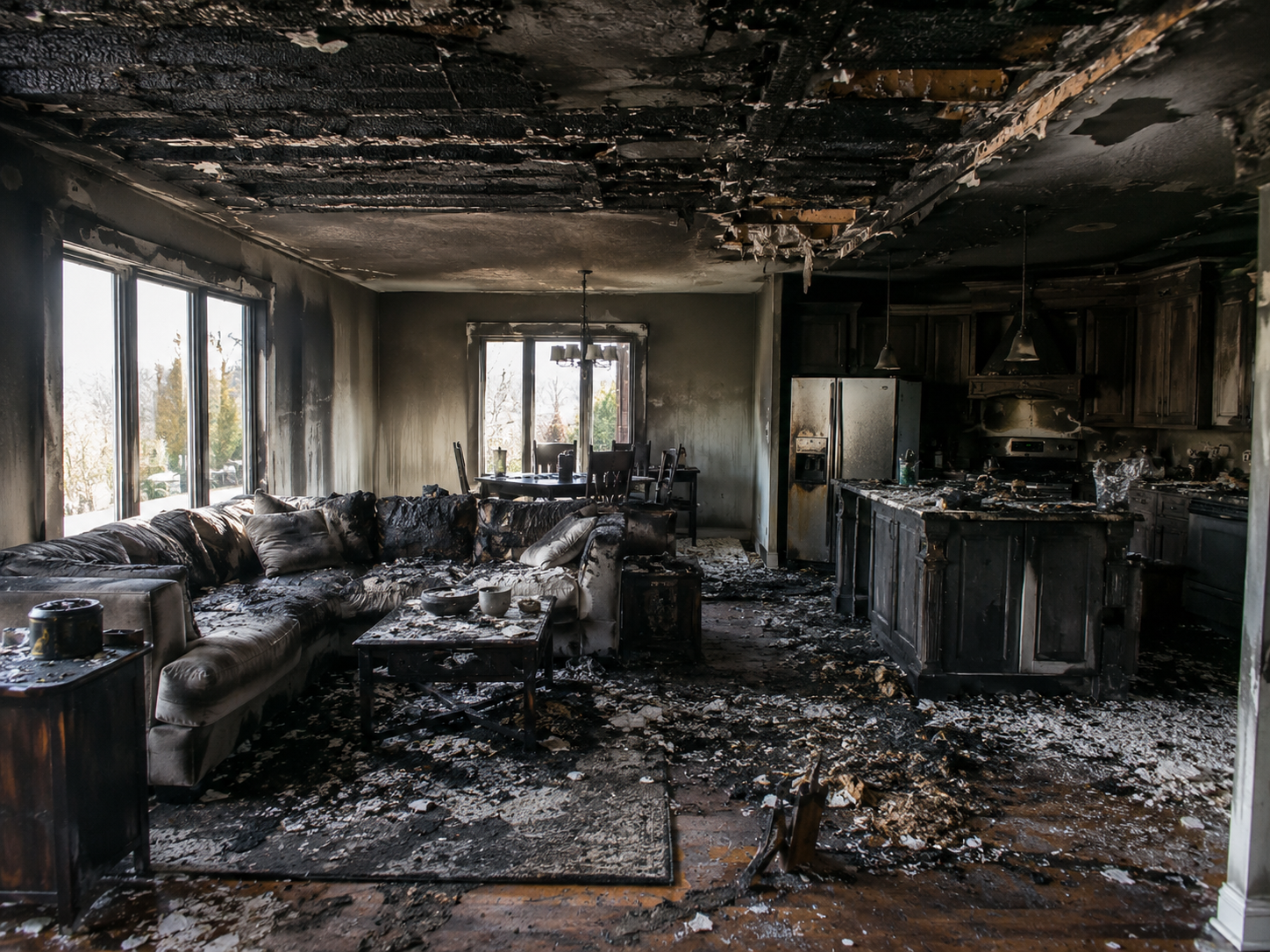
Restoration 1 of the Lakeshore has a dedicated Spring Lake service page offering mold remediation along with water extraction, flood cleanup, sewage cleanup, and fire and smoke restoration. The company also provides 24-hour emergency restoration service.
If your home has visible mold, unexplained staining, musty odors, or a history of water damage, professional inspection can help determine what is happening beyond the surface.
Need Mold Removal in Spring Lake?
Mold problems rarely improve while the underlying moisture problem remains.
If you suspect mold in your home or business, identifying both the affected materials and the source of moisture is an important first step.
For professional mold removal in Spring Lake, MI, contact Restoration 1 of the Lakeshore for inspection, remediation, cleanup, drying, and restoration services.
Frequently Asked Questions
What are common signs that I may need mold removal?
Musty odors, visible discoloration, damp building materials, recurring moisture, and mold appearing after previous water damage can all be warning signs.
Can mold grow after water damage?
Yes. When moisture remains in drywall, wood, carpeting, insulation, or concealed areas after a leak or flood, mold can develop.
Does Restoration 1 of the Lakeshore provide mold removal in Spring Lake?
Yes. The company's Spring Lake service page specifically lists mold remediation and removal among its restoration services.